‘The wrong person is in prison, and the real criminal's on the streets’: Will Mellor on Convictions Gone Bad
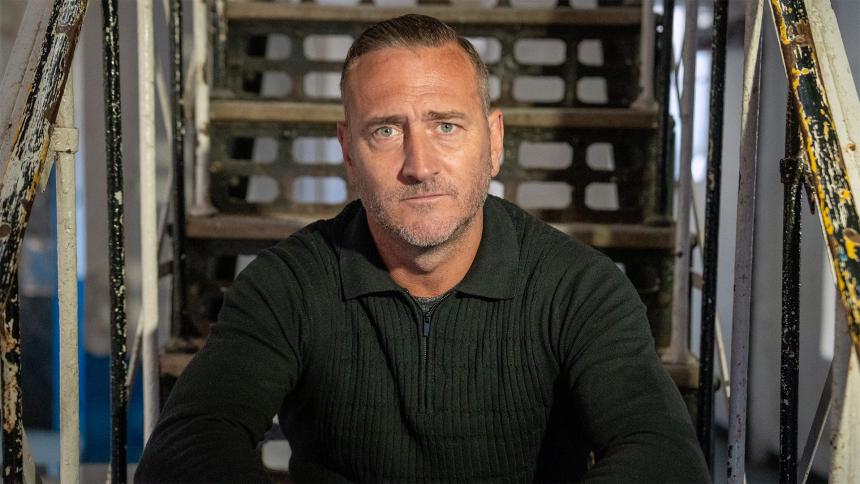
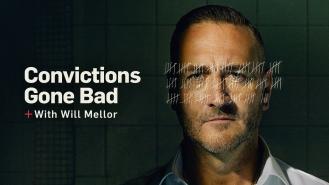
Convictions Gone Bad with Will MellorFollowing Cops Gone Bad and Cops Who Kill, Will Mellor returns to Crime+Investigation with a brand-new true crime series, this time exploring some of the most shocking miscarriages of justice in recent history.
Now Convictions Gone Bad examines five shocking cases in which innocent people were convicted of serious crimes: Angela Cannings, Andy Malkinson, Justin Plummer, Sam Hallam and the Central Park Five. Each episode explains how these convictions happened and the unbelievable twists and turns that ultimately exposed the truth.
For Mellor, these cases are more than just abstract true crime stories. ‘With all the series in this franchise it’s about what questions we are asking, what can we learn from the answers, and can any changes be made? Then we're doing something that's positive. We're not just telling people stories for entertainment value.’
Ahead of the series premiere on Monday 5th October, Will Mellor spoke to Crime+Investigation about the cases that stayed with him, and why he believes these stories still need telling.
Convictions Gone Bad
Will Mellor is no stranger to hard-hitting subjects. His first two series, Cops Gone Bad and Cops Who Kill, examined institutional failings and abuses of power within the police force.
In this third instalment, he wanted to widen the scope and explain what happens when innocent people are unfairly persecuted by the criminal justice system.
‘We wanted to move it forward,’ Mellor explains. ‘We've done Cops Gone Bad, and we've done Cops Who Kill, but now we wanted to look at innocent people who have been sent away because there are things that need to be looked at from the justice system that isn't right.’
For Mellor and the team, it was hugely important to give those who had experienced miscarriages of justice an opportunity to tell their stories. The desire to spotlight victims is shaped by Mellor’s involvement in Mr Bates vs The Post Office.
He says the experience taught him that we have to learn from our mistakes. ‘There are a lot of things you need to keep shouting from the rooftops because things go quiet,’ he says. ‘And when things go quiet, nothing gets done and then it happens again.’
With a huge public profile, Mellor feels personally responsible for keeping that attention alive. ‘We have a platform within the entertainment business, in television, and I have a personal platform myself thanks to things that I've done over the years, so I think it's important that if you're doing something, to be on the right side of things and make the noise…We have to keep the fire burning.’

When justice gets it wrong
Although the five cases in Convictions Gone Bad are very different, Mellor believes the common thread is an unwillingness to admit mistakes. ‘I think the powers that be, whether it be the police or the justice system, don't like to be proved wrong,’ he explains. ‘Once they've made a decision, it's hard to go back on that decision.’
Mellor uses Sam Hallam’s case as an example. He was just 17 years old when he was arrested for killing trainee chef Essayas Kassahun in East London. Despite no forensic evidence linking him to the crime, he was ultimately convicted of murder. Seven years later, overlooked evidence and witness testimonies helped overturn his conviction.
Mellor believes investigators should have taken more care to determine whether they had the right man. ‘People can make false assumptions,’ he says. ‘But when people's lives are on the line, you can't continue to make those mistakes.’
The consequences of getting it wrong are far-reaching and potentially deadly. As Mellor points out, while an innocent person is behind bars, the perpetrator remains free. ‘When you get it wrong, it means you've got the wrong person in prison, but also the real criminal still on the streets. In some of the cases we cover in this series, their mistake means a murderer and a rapist remained on the streets while innocent [people] were behind bars. That is so wrong.’
The cases that stood out
The five cases in the show highlight just how devastating the implications of miscarriages of justice can be. Mellor points out that some of the stories were too close to home.
As a parent, Angela Cannings’ case was particularly upsetting for him. She was convicted of murdering two of her infant sons despite there being no concrete evidence against her. The prosecution’s case relied solely on a single expert witness.
‘I'm a father so I couldn't imagine what it's like to be a mother accused of killing her own babies,’ Mellor says. ‘I don't think it gets much worse than that, I really don't. She knows she's innocent and she's been told she's going to prison for murdering her babies...you know how hard it is to get rid of that label?’
Andy Malkinson’s case was also deeply upsetting. He spent more than 17 years in prison after being wrongly convicted of rape and attempted murder.
Mellor understands the effect this must have had on Malkinson more than most: ‘I wouldn't cope in prison, it’s as simple as that. [Malkinson] would've been put in a sex offenders wing with other sex offenders. I don't know how I would cope with the anger of that or the injustice of it.’
Lasting impact on lives
At the heart of the docuseries is an important question: How do you undo the years of damage a wrongful conviction causes? This is one reason Mellor got on board with the project. ‘How do you fix 28 years of somebody's life you’ve wrongly taken away?’ Mellor asks.
He’s referring to Justin Plummer, a tragic example of how your life can change overnight. He spent nearly three decades in prison for a murder he maintained he did not commit. For 28 years, he refused to admit guilt, even when it would have dramatically reduced his sentence.
By the time he was released, both his parents had died. When Mellor interviewed him, he was alone, nervous and distrustful. ‘My heart broke for him. I wanted to give him a hug,’ Mellor says, ‘I just wanted to give him a voice because his is much louder than mine on this matter.’
The Central Park Five case also highlighted the cost of wrongful convictions. The five Black and Latino teenagers were aged between 14 and 16 when they were arrested for the brutal rape of a young woman in Central Park in 1989.
Like so many of the cases in the show, there was no DNA evidence linking them to the attack.
‘It broke me because they were kids,’ Mellor says. ‘The injustice of it was that they were just kids being manipulated. The way the police treated them was horrendous. And it just hurt me because I can't stop it. It's happened.’
‘As long as there are people that need a voice’
Convictions Gone Bad exists for a simple reason. Mellor explained, ‘I don't like injustice, full stop. I'm only me but with Crime+Investigation and the series we’ve been making, we're given a platform for people to speak their truth so other people who may not know about this will understand it.’
The team has approached the series hoping to give the people at the centre of these stories an opportunity to speak. Mellor says some of the most rewarding moments have come when those involved have thanked him for encouraging them to share their experiences.
However, he points out that he isn’t the only one working hard behind the scenes. ‘There's a whole team behind it,’ he says, crediting the research it takes to deliver each episode. Mellor believes he's simply one part of a much bigger effort to put these stories in front of an audience.
The response to these sorts of shows has always been positive. But Mellor insists he doesn't just want to entertain. He also wants viewers to walk away thinking about what changes can be made moving forward. Thanks to his tireless passion, he has every reason to believe this series can make a difference.
‘I keep going back to the Post Office scandal’, he said. ‘Once we did our series, there were petitions signed by millions of people. Things happened, changes were made. It was in the House of Parliament with the government. And that's the power that television can have. So it's important that I'm doing something that's worthwhile and people recognise that when they watch it. They know we’re spreading information that can lead to change.’
Now, the biggest question on every fan's mind is what happens next? Mellor smiles. ‘As long as there's still people that need a voice, we'll give them that voice to try and make things better.’
Convictions Gone Bad with Will Mellor premieres on Crime+Investigation on Monday 5th October at 9pm, with new episodes airing weekly. The first episode examines the case of Angela Cannings, who was sentenced to life in prison following the deaths of two of her infant sons.
For more on the stories that expose the flaws in our justice system, sign up to the Crime+Investigation newsletter. Every week, you'll receive the latest articles, episodes and more from C+I delivered straight to your inbox.