Bianca Thomas: The campaign for Bee's Law
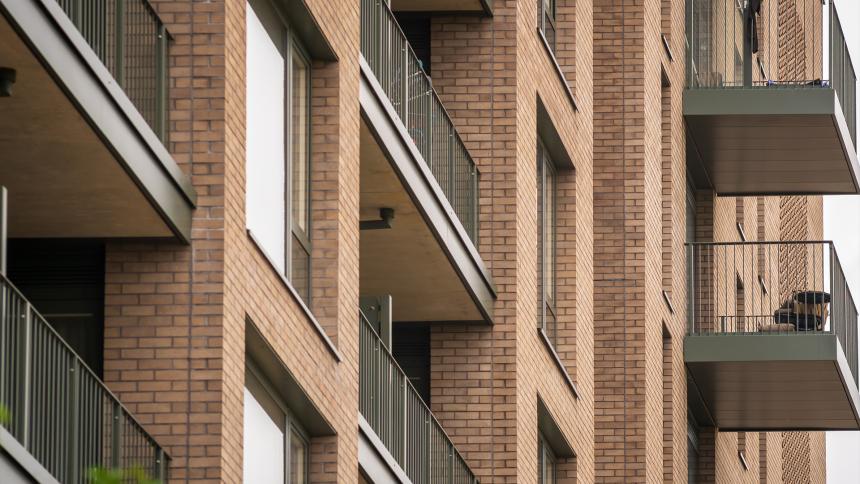
In August 2018, police were called to an incident at a block of flats in Birmingham city centre. A young woman and mother of three, 25-year-old Bianca ‘Bee’ Thomas, had fallen backwards from an 11th-floor balcony. She sustained serious injuries after landing on a canopy and ultimately died.
Bianca's death was ruled accidental, but her family was left with unanswered questions. Her case has since become the focus of a campaign calling for changes to how fall deaths are investigated, particularly where domestic abuse may have been a factor.
Crime+Investigation examines what happened to Bianca Thomas, why her family still has questions, and how her sister’s campaign for ‘Bee’s Law’ is calling for change.
What happened to Bianca ‘Bee’ Thomas?
Bianca’s mother, Diane Thomas, described her daughter as a ‘fun-loving girl with an infectious laugh who would help anyone.’ However, her family had reservations about her relationship with boyfriend Michael Joyce. They knew him only as ‘Psycho’, a nickname Joyce later explained came from when he ‘used to do graffiti’.
Bianca and Michael were together at his 11th-floor flat on the night of her fall. While the circumstances surrounding her death are unknown, a post-mortem examination revealed alcohol and drugs in her system. Michael told the inquest that she had arrived at his flat 'more drunk than usual', and that they ate food and relaxed.
‘She went out onto the balcony, we usually went out there,’ he told the hearing. ‘I was getting a cigarette when I heard a bang.’ According to him, the chair Bianca had been sitting on had moved, and this is when he realised she had fallen.
When the ambulance arrived, Bianca was given pain relief and anaesthetised by a doctor before being taken to the major trauma unit at Queen Elizabeth Hospital. Sadly, she never recovered from her injuries.
She died in hospital on 15th August 2018, leaving behind three young children.

More questions than answers
When Bianca died, police arrested Michael Joyce on suspicion of murder, but he was eventually released without charge. He has always maintained his innocence, claiming he was inside the apartment at the time of the fall.
Mrs Hunt, the senior coroner for Birmingham and Solihull, concluded that Bianca's death was accidental. She said there was no evidence of a ‘disturbance or struggle’ or any indication that Bianca had intended to take her own life. She concluded that Bianca had ‘overbalanced while sat on the balcony’.
However, Bianca's family questioned the ruling. During the inquest, witness Brian Suffolk told the court he had heard the couple arguing shortly before the fall. The family subsequently requested that the case be reviewed in light of his testimony.
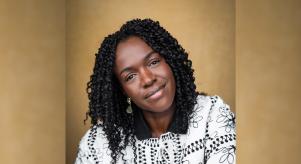
Bianca’s sister, Jhiselle Feanny, said: ‘We’ve asked for a review of the case because the witness statement was so strong and there are still so many grey areas. We want to be sure the police did everything they could to gather all of the possible evidence and have followed up all lines of enquiry because we don’t feel they did.’
What is Bee’s Law?
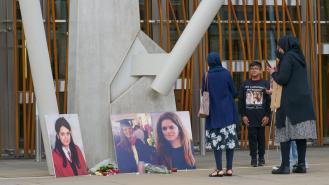
Although Bianca's death was ruled accidental, her family continued to question the verdict. Jhiselle became a prominent domestic abuse campaigner for changes to the way unexplained falls are investigated, especially if there are domestic abuse markers.
She proposed ‘Bee’s Law’, a national policing standard that would treat deaths following a fall from height with greater caution. Under the proposal, police would consider whether the victim had been subjected to domestic abuse in the run-up to their death, and would protect evidence from the scene until that question had been answered.
Research highlighted by the campaign identified potential links between domestic abuse and deaths following falls from height. Jhiselle explained: ‘We’ve been able to establish that 31 of the 39 women who fell to their deaths over the past five years had domestic abuse markers against their names or their partners’ on police systems. That means all falls should be treated as suspicious, especially when it’s a woman.’
She continued: ‘A precautionary approach would mean evidence wasn’t discarded that can’t be recreated later… and a single account from a man who was at the scene wouldn’t be allowed to become the dominant narrative if independent witnesses didn’t corroborate what he said.’
Although the events leading up to Bianca’s death remain a source of questions for her family, her case has become part of a campaign for change. Through Bee's Law, Jhiselle hopes that all deaths following falls from height receive the thorough investigations they deserve.
For more on the cases that have led to calls for change, sign up to the Crime+Investigation newsletter. Every week, you’ll receive the latest articles, episodes and more from C+I delivered straight to your inbox.