Sam Hallam: The 17-year-old wrongly convicted of murder
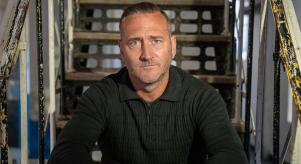
Convictions Gone Bad with Will MellorFew cases show the impact of a wrongful conviction more clearly than that of Sam Hallam. At just 17 years old, Hallam was wrongly convicted of murder and sentenced to life in prison. He spent more than seven years behind bars before his conviction was overturned and he was finally released.
However, gaining his freedom was not the end of his struggle. Hallam continued to fight for justice and recognition of the wrong that had been done to him.
Join us at Crime+Investigation as we examine Hallam’s case, exploring his wrongful conviction, release and the wider lessons raised about justice and accountability.
The murder of Essayas Kassahun
The case centred on the death of 21-year-old trainee chef Essayas Kassahun, who was attacked by a group of youths near Old Street in Islington, London, in October 2004. Kassahun was left unconscious and died in hospital two days later from his injuries.
Police quickly launched a major investigation and focused on several young men from the area. Hallam, a teenager from nearby Hoxton, was arrested and charged with murder, conspiracy to commit grievous bodily harm and violent disorder.
The prosecution’s case relied heavily on eyewitness evidence. Two witnesses claimed they saw Hallam participating in the fatal attack. Despite Hallam consistently insisting he was elsewhere at the time, prosecutors argued that the witness testimony placed him at the scene beyond reasonable doubt. There was no forensic evidence linking him to the murder, but the jury ultimately accepted the evidence and found him guilty.
Because he was only 17 at the time of the offence, Hallam was sentenced to detention 'at Her Majesty’s pleasure', the equivalent of a life sentence for juveniles. The judge imposed a minimum term of 12 years before he could be considered for release.

Doubts begin to emerge
Hallam maintained his innocence from the start. His first appeal was dismissed in 2007, leaving him with the prospect of spending much of his adult life in prison.
Outside prison, however, a determined campaign began. His mother, Wendy Cohen, became a prominent advocate for his cause, supported by friends, campaigners and legal teams who disbelieved the evidence.
The case was eventually referred to the Criminal Cases Review Commission (CCRC), the independent body responsible for investigating potential miscarriages of justice. They uncovered significant new evidence that cast doubt on the witness identifications.
Among the concerns were inconsistencies and unreliable witness accounts. Since the prosecution case had depended so heavily on those eyewitnesses, the new information raised serious questions about whether the jury had been given an accurate picture.
Freedom after seven years
In May 2012, the Court of Appeal reviewed the fresh evidence and concluded that Hallam’s conviction was unsafe. The judges quashed his convictions, ending more than seven years of wrongful imprisonment.
His release was greeted with relief by supporters who had spent years campaigning on his behalf. However, although the conviction had been overturned, the court didn’t make a formal declaration of innocence. Instead, it ruled that the conviction was unsafe and therefore couldn’t stand.

The compensation battle
Usually, the overturning of a wrongful conviction would naturally lead to compensation. In Hallam’s case though, this proved almost as difficult as securing his freedom.
After his release, Hallam applied for compensation under the UK's miscarriage of justice scheme. But his claim was rejected because the law requires applicants to prove, using new evidence, that they were innocent beyond reasonable doubt.
Hallam challenged this decision in court, arguing that the rule was unfair because it forced wrongly convicted people to prove their innocence. Despite several legal appeals, his challenge was unsuccessful.
The case eventually reached the European Court of Human Rights alongside a similar claim brought by Victor Nealon, another victim of a wrongful conviction. In 2024, the court ruled that the UK's compensation rules did not violate human rights law. As a result, Hallam still didn’t receive compensation.
A lasting symbol of wrongful conviction
Today, Sam Hallam's case remains one of the most significant wrongful convictions in the UK. It highlighted the risks of relying on disputed eyewitness evidence and exposed the difficulties faced by people seeking compensation after being wrongly imprisoned.
Although Hallam succeeded in overturning his conviction and regaining his freedom, his fight for compensation was unsuccessful. His experience has continued to raise important questions about whether the justice system provides enough support for the wrongly convicted.
More than a decade after his release, Hallam's story remains a powerful reminder that clearing a person's name is often only the beginning of the struggle for justice.
Get exclusive access with the Crime + Investigation newsletter. Receive new articles, episodes, clips, competitions and more: delivered straight to your inbox each week, completely free.