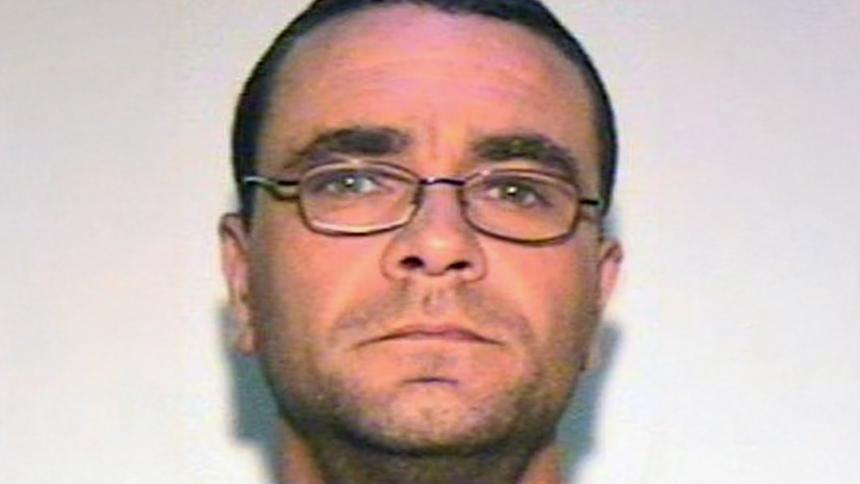
Andrew Malkinson: The man who served 17 years for a crime he didn't commit
Convictions Gone Bad with Will MellorWhat happens when someone spends nearly two decades in prison for a crime they insist they did not commit? That question lies at the heart of Andrew Malkinson's remarkable case. Convicted of rape in 2004, he served 17 years behind bars before finally being released. But his battle to prove his innocence continued long after he left prison.
In 2023, his conviction was overturned after new DNA evidence pointed to another possible suspect. The case has since raised important questions about police investigations, forensic evidence and the systems responsible.
Join us at Crime+Investigation as we explore the events that led to Andrew's conviction and the breakthrough that finally cleared his name.
The conviction
The case began in July 2003 when a woman was attacked and raped while walking home in Greater Manchester. Police launched an investigation and eventually focused on Andrew Malkinson, a sales manager with no connection to the victim.
Despite the seriousness of the allegations, there was no DNA or forensic evidence linking Andrew to the attack. Instead, the prosecution's case relied heavily on witness identification evidence. In February 2004, a jury found him guilty of rape and assault by a majority verdict and he was sentenced to life imprisonment.
From the beginning, Andrew stated that he was innocent. However, his refusal to admit guilt had significant consequences. Because he would not accept responsibility for the crime, he was unable to complete rehabilitation programmes that could have improved his chances of early release. As a result, he spent far longer in prison than the minimum term of his sentence.
Years of failed appeals
For nearly two decades, Andrew fought to clear his name. He repeatedly challenged his conviction, insisting that he had been wrongly identified.
His case was reviewed by the Criminal Cases Review Commission (CCRC), the independent body responsible for investigating potential miscarriages of justice. However, applications made in 2009 and again years later failed to get his case referred back to the Court of Appeal.
During this time, advances in forensic science were transforming criminal investigations and DNA testing methods became far more sophisticated. But it would take many more years before those developments would have an impact on Andrew’s case.
In December 2020, after spending 17 years in custody, Andrew was finally released from prison. Even then, he remained officially convicted of rape and continued his fight to clear his name.
The DNA breakthrough
The turning point came in 2021 when Andrew's legal team worked with the charity APPEAL to seek further forensic testing.
Using modern DNA techniques, experts were able to obtain a DNA profile from clothing worn by the victim. The profile did not match Andrew. Instead, it matched another man whose details were already held on the National DNA Database.
The discovery was significant because it provided entirely new evidence that had not been available during the original trial. Following the breakthrough, the CCRC referred the case back to the Court of Appeal in January 2023.
For the first time, there was compelling scientific evidence supporting what Andrew had been saying for nearly 20 years: that he was innocent.
Conviction overturned
In July 2023, the Court of Appeal quashed Andrew's conviction.
Judges concluded that the new DNA evidence fundamentally undermined the safety of the original conviction. The court also found that certain evidence had not been disclosed during the original investigation and trial process.
After almost two decades of fighting, Andrew was finally cleared.
The decision marked the end of a long legal battle, but it also prompted wider scrutiny of the criminal justice system. Questions were raised about why it had taken so long for the new evidence to be discovered and why previous reviews had failed to uncover the problems with the case.
Lessons from the case
Andrew Malkinson's story highlights the devastating impact of wrongful convictions. He lost 17 years of his life in prison, experienced the stigma of being labelled a serious offender and spent years battling to prove his innocence.
His case also demonstrates the crucial role that advances in forensic science can play in correcting miscarriages of justice. Without modern DNA testing, his conviction might never have been overturned.
At the same time, the case has led to criticism of the institutions responsible for reviewing potential wrongful convictions. Many have questioned whether warning signs were missed and whether the evidence should have been examined more thoroughly years earlier.
Love true crime? Get exclusive access with the Crime + Investigation newsletter. Receive new articles, episodes, clips, competitions and more: delivered straight to your inbox each week, completely free.