Emma Borden: The sister who stood by Lizzie
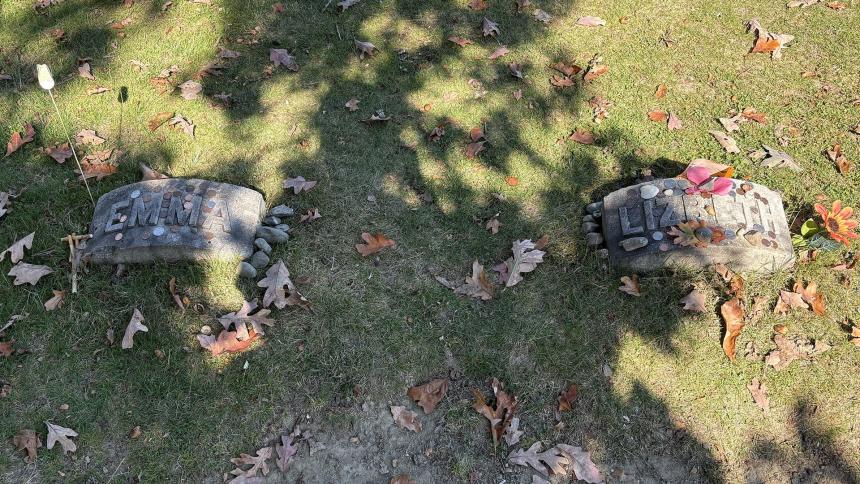
Lizzie Borden: 40 WhacksImage: Emma and Lizzie Borden’s graves at Oak Grove Cemetery, Fall River, Massachusetts | “Graves of Emma and Lizzie Borden” by Interstellarity , via Wikimedia Commons. Cropped by Crime+Investigation. CC0 1.0 .
Emma Borden often finds herself on the sidelines in the story of Lizzie Borden, who was tried and acquitted of the murder of their father and stepmother. That being said, Emma was undoubtedly an important figure to Lizzie. Her loyalty to her younger sister and eventual separation from her offers a more intimate look at the murder case.
Crime+Investigation examines the sister who stood by Lizzie through trial and acquittal, only to walk away from her decades later.
Who was Emma Borden?
Emma Lenora Borden was born on 1st March 1851 in Fall River, Massachusetts. She was nine years older than her sister Lizzie. When Emma was 12 and Lizzie was two, their mother, Sarah Morse Borden, passed away. Before her death, Sarah asked Emma to care for and protect her little sister. This promise became an important element of Lizzie and Emma’s relationship, with Emma becoming a maternal figure as well as a close friend to her baby sister.
The stepmother
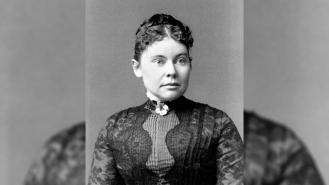
Three years later, Emma and Lizzie’s father, Andrew Borden, remarried a woman named Abby Durfee Gray. Emma was 14 at the time, and she was not particularly fond of her stepmother. She kept her distance and was cold towards her. Nothing suggests that Abby was ever cruel to the girls. In fact, Abby seemed to enjoy trying to be a mother and showed them only care and kindness.
As the years passed, Emma maintained her coldness to Abby, but she tolerated her as part of her family. Lizzie, however, openly showed her disdain for her stepmother. Tensions rose over financial matters, with a particularly significant issue arising in 1887.
Andrew bought a home for Abby’s half-sister and put it in Abby’s name, and the Borden sisters were not happy about it. They were concerned that their inheritance was at risk and wanted their own property. The girls began to resent their father, believing that he was not providing a better life for them. The divide took root, and the relationship between father and daughters was forever tarnished.
The murders
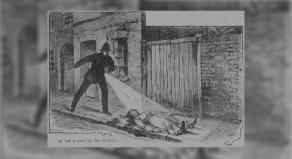
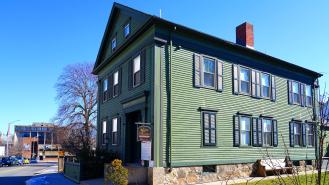
On 4th August 1892, Andrew and Abby were brutally murdered with an axe. Emma had been visiting friends of the family in Fairhaven at the time, which was about 15 miles away. Emma returned home immediately when a telegram reached her with the disturbing news.
Emma Borden’s defence team and testimony
Upon realising that Lizzie was becoming a major suspect, Emma Borden immediately protected her, once again stepping in as a mother figure. She took control of the family's finances when Lizzie was sent to Taunton Jail and used part of it to hire a strong legal team.
Emma not only offered emotional and financial support. She also testified for her little sister. She was a particularly powerful element of Lizzie’s defence, as she was able to dismantle some of the theories from the prosecution while maintaining her sister’s humanity. Emma also explained the dynamics within the house and provided details for crucial evidence, such as the dress that Lizzie burned days after the killings.
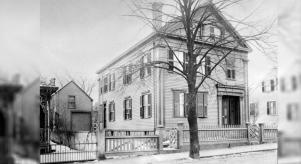
On 20th June 1893, Lizzie was acquitted of the murder of her father and stepmother. She and Emma purchased a mansion that they named Maplecroft in the elite area of Fall River. It seemed as though the sisters finally had the life that they always wanted and could put the pain of the past behind them.
Separation
Emma and Lizzie were close, but personality-wise, they were worlds apart. Emma embraced a traditional and quiet life. She was devoted to her religion and was a particularly private woman. Lizzie was much more extravagant and enjoyed hosting parties with glamorous entertainers and artists. In 1904, Lizzie became close with a stage actress named Nance O’Neill. The following year, Emma reportedly argued with Lizzie about her parties.
Emma later packed her belongings and quietly left Maplecroft, effectively ending the sibling relationship that had endured both their mother's death and a murder trial. In a 1913 interview, Emma said that living in the house had become ‘absolutely unbearable’.

Final years
Emma did not see or speak to Lizzie again for the final 22 years of their lives. She moved to Newmarket in New Hampshire and took on an assumed name. Their deaths, however, were oddly synchronised. Lizzie died from gallbladder surgery complications at age 66 on 1st June 1927. Emma died just nine days later on 10th June from chronic kidney disease, closing one of America’s most intriguing cold cases forever.
Although the last two decades of her life were tarnished with separation, Emma Borden’s devotion and loyalty to her sister mean she continues to be a fascinating figure in Lizzie Borden’s story.
For more on the people who shaped America's most famous unsolved murder case, sign up to the Crime+Investigation newsletter. Every week, you'll receive the latest articles, episodes and more from C+I delivered straight to your inbox.