Bridget Sullivan: Lizzie Borden’s maid
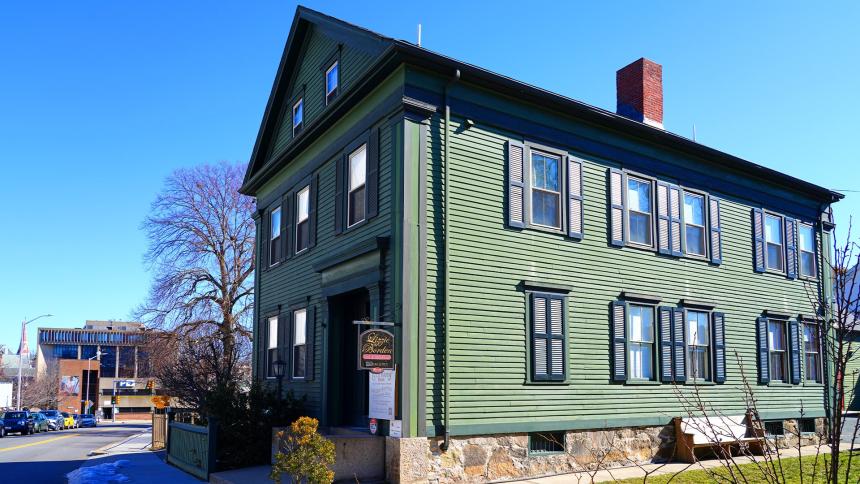
Lizzie Borden: 40 WhacksOn a hot August morning in 1892, Bridget Sullivan carried a pail down the back steps of a neat clapboard house in Fall River, Massachusetts. It was home to Andrew Borden and his second wife, Abby Borden, along with Emma and Lizzie, Andrew’s daughters from his first marriage.
By noon, the house (now one of the most notorious murder homes in America) would become a violent crime scene. At Crime+Investigation we can’t resist taking a closer look at all the people involved, not just the official accused. So join us as we spotlight Bridget Sullivan.
To find out everything you need to know about the biggest case of the 19th century, visit our in-depth Lizzie Borden Crime File.
The crime
Andrew and Abby were found hacked to death with what appeared to be an axe or hatchet. The brutal double homicide saw Andrew killed in the downstairs sitting room and Abby discovered in the guest room.
Bridget 'Maggie' Sullivan, an Irish housemaid in her mid-twenties, was the first to raise the alarm. The case, known as the Borden House Murders, became infamous because of the violent nature of the crime, the unlikely suspects and the fact that it remains unsolved.
The maid behind the headline
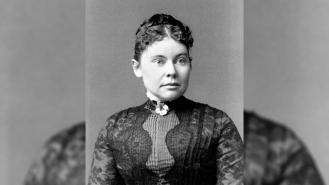
Bridget was one of many young Irish women who crossed the Atlantic to take live-in posts in New England homes. The family called her 'Maggie', a holdover from a previous maid, and she didn’t correct them. In court the following year she stated it plainly: 'In the household I was sometimes called Maggie… I am twenty-six years old.' The line tells you a lot about the house and about her place in it.
The household itself was rigid. Andrew Borden kept doors bolted even when he was home. And despite being relatively well off, he refused to upgrade the house with indoor plumbing. Some maintain this attitude towards comfort may have fuelled resentment in the Borden household.
The morning, according to Bridget
Thursday started with the usual morning chores for Bridget. She cooked, cleaned windows, and did laundry. Afterward (overheated and feeling ill) she retreated to her attic room to lie down. She remembers Andrew Borden returning home, having a brief conversation with his daughter Lizzie, then settling on the sitting room sofa.
A few minutes later Lizzie called up the stairs. In her testimony, Bridget recalls her saying:
'Maggie, come down! Come down quick; Father’s dead; somebody came in and killed him.'
Bridget found him slumped on the cushions, his face destroyed by blows from a sharp object. Abby Borden lay dead on the guest-room floor with similar wounds.

Bridget ran for the doctor, called the neighbours and gave a clear account of what happened inside 230 Second Street, now a ‘murder tourism’ hotspot.
A suspect by default
Detectives started with the person closest at hand. They asked if she’d let anyone in, how long she’d been upstairs, and what she’d heard. Even back then, homicide detectives knew that the first few days are everything.
Bridget kept to the facts. She had bolted the side door after washing outside windows. When Mr Borden returned, the sticky front lock was worked from the inside. As far as she knew, the only people in the house that hour were Lizzie and herself. She was ill from the heat, she said, and resting in her attic room until Lizzie called her. It wasn’t a dramatic or far-fetched defence. It was simply a housemaid’s map of a Thursday morning.

The focus on her faded as officers found no way for a stranger to slip in and out unseen. That shift put the attention on Lizzie.
The media lapped up the drama and as folklore has it, an anonymous writer penned the now-famous nursery rhyme in a bid to sell newspapers.
Lizzie Borden took an axe,
And gave her mother forty whacks,
When she saw what she had done,
She gave her father forty-one.
Regardless of whether Lizzie committed the crime, the nursery rhyme is inaccurate. Lizzie's stepmother suffered less than 20 blows, and her father had 11 blows.
A witness a jury could trust
At the inquest and again at the 1893 trial, Bridget's testimony was steady. She didn’t embroider or attempt to influence the jury. She simply told them what she had and hadn’t seen: no intruder, no weapon, no blood on Lizzie’s bodice.
That clarity helped both sides in different ways. It narrowed the timeline for the prosecution but it also reminded the defence (and the jury) that no one had actually seen Lizzie lift a hatchet. If Lizzie was going to be convicted, it wouldn’t be on Bridget Sullivan’s word.
After the verdict
Lizzie Borden was acquitted and continued to live in Fall River with her sister, Emma. Bridget Sullivan had no reason to stay and moved to the American West, where she married, raised a family and lived a quiet life.
What makes the whole story so interesting is that nobody was ever found guilty of the double homicide. Not Lizzie. Not Bridget. Not anyone. It’s a fascinating example of the crucial roles of juries, the burden the prosecution carries of proving guilt beyond a reasonable doubt and of course, the enduring appeal of cold cases.
Want more profiles like this? Subscribe to the Crime+Investigation newsletter and get the latest stories, straight to your inbox.