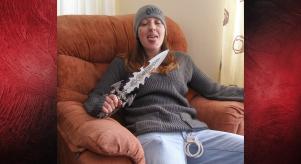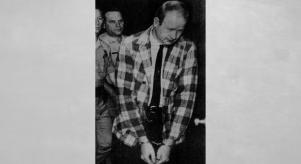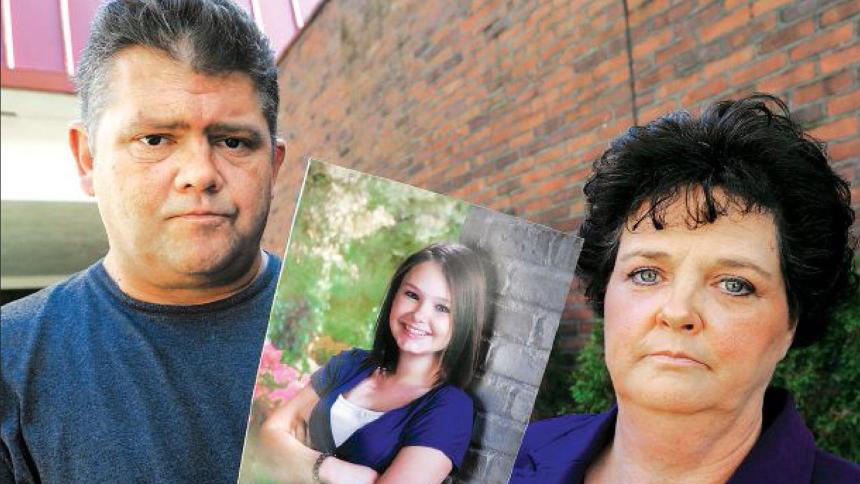
Stabbed by her best friends: The murder of Skylar Neese
16-year-old Skylar Neese was, by all accounts, a typical teenager. She was an honour student at the University High School in Monongalia County and worked evening shifts at Wendy’s to earn some pocket money. Above all else, she loved hanging out with her best friends, Sheila Eddy and Rachel Shoaf.
The girls were inseparable. They went to school together, hung out after class and posted constantly on social media, sharing selfies and snippets about their days. Nobody, least of all Skylar, could have anticipated that the friendship harboured a resentment that would soon turn deadly.
Keep reading as the Crime+Investigation team unpacks the case in more detail.
An assumed runaway
On 5th July 2012, Skylar had just returned home after working a shift at Wendy's. It was late, and she usually went straight to bed, so her parents, Mary and Dave, did not immediately check on her. But that night, her routine was different.
At 12.30am on 6th July, CCTV captured Skylar climbing out of her bedroom window and getting into a light-coloured sedan. In the morning, she was gone.
Mary and Dave quickly contacted the police to report her missing. However, investigators initially treated her disappearance as a runaway and failed to issue an Amber Alert.
Her parents were frustrated. She hadn't taken any personal belongings. Her phone charger and contact lenses were still in her bedroom, and her window was left open, presumably to return later that morning. Worried about a delay in the search, they began distributing missing-person flyers across Monongalia County.
The criminal investigation
Despite the runaway theory, it didn’t take long for investigators to realise this wasn’t a straightforward case. They had questions about the sedan: Who was Skylar meeting that night? They eventually traced the vehicle back to Sheila, who said she picked Skylar up, but dropped her off near her apartment complex about an hour later.
Suspicious of the story, police looked at the teenager’s’ phone records. Messages and call logs confirmed that Sheila and Rachel had been in contact with Skylar shortly before she disappeared. As they compared the girls’ statements with CCTV footage and mobile data, they noticed big chunks of their timeline were missing.

Then there were the social media posts. In the days following Skylar’s disappearance, Sheila and Rachel continued to post normally, a confusing contrast to their outpourings of grief and concern to police.
The confession
Despite mounting evidence against the teens, the break in the case didn’t come until January 2013, six months after Skylar’s disappearance. Rachel had a mental health breakdown and was admitted to a psychiatric hospital. During her stay, she confessed to her parents that she and Sheila had killed Skylar and left her body in a wooded area near Brave, Pennsylvania.
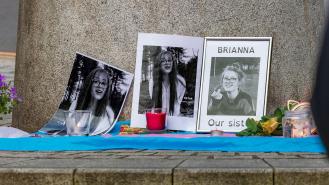
Her parents immediately contacted the police, and Rachel told investigators where they could find Skylar’s remains. When asked about the motive, she told authorities they had killed Skylar because they 'didn’t like her' and 'didn’t want to be friends with her anymore.'
Officers found Skylar’s body on 16th January 2013, exactly where Rachel said it was. She had been ferociously stabbed more than 50 times.
Trial and sentencing
Although Rachel confessed, Sheila initially denied her role in the murder. In May 2013, Rachel pleaded guilty to second-degree murder as part of a plea agreement for a reduced sentence.
During the trial, the court heard how the murder had been calculated and premeditated. The teenagers brought knives from home and drove Skylar to a remote wooded area to hang out and smoke weed. According to Rachel’s statement, she and Sheila counted to three before attacking Skylar while her back was turned.

Skylar tried to run but was overpowered. Her body was left in the woods, partially covered with leaves and dirt.
Rachel was sentenced to 30 years in prison, with eligibility for parole after 10 years. In January 2014, Sheila finally changed her plea to guilty to first-degree murder. She was sentenced to life in prison, with the possibility of parole after 15 years.
The aftermath
In the aftermath of Skylar’s murder, her parents campaigned for changes to the law.
A legislator representing the family proposed Skylar’s Law, designed to strengthen West Virginia’s Amber Alert system. It would require an immediate Amber Alert notification when a child is reported missing and believed to be in danger, even if there is no confirmed abduction.
On 27th March 2013, the West Virginia House of Delegates approved the bill. The state Senate passed it unanimously on 12th April 2013.
For more true crime stories about killer teens and betrayal, subscribe to the Crime+Investigation newsletter. We’ll send you the latest true crime articles and episodes, straight to your inbox, so you’re never out of the loop.