Amie Gray: Murdered in a random attack by Nasen Saadi
Ross Kemp: Lost Boys, Deadly MenWhen Nasen Saadi walked into his lecture one morning, his professor, Lisa Marie-Reiss, noticed that something was wrong. The 19-year-old criminology student from Croydon kept asking unusual questions. The lecture focused on the UK’s political system, but Saadi wanted to know whether you could plead self-defence if you were attacked first. He also asked about how long DNA remained at a crime scene.
Reiss was taken aback and in a moment of eerie premonition, said: 'You’re not planning a murder, are you?' She couldn’t have known how right she was or anticipated the horror of events that would unfold years later.
Keep reading as the Crime+Investigation team unpicks the case in more detail.

The murder
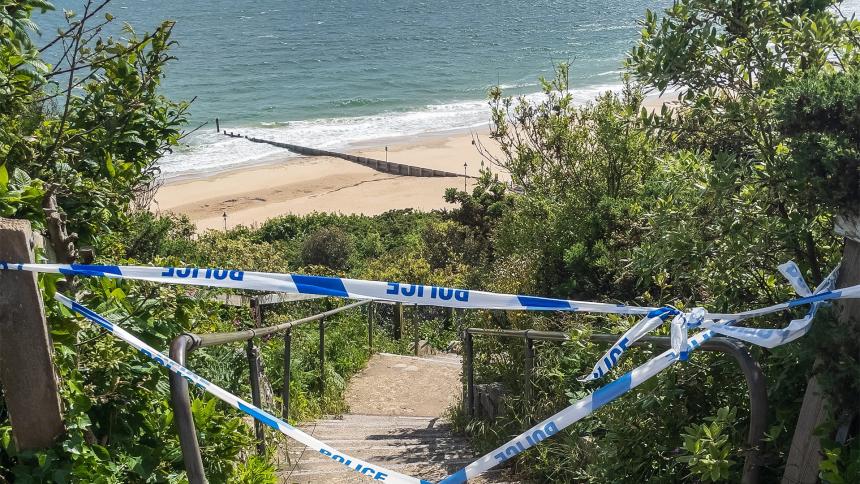
On 24th May 2024, 34-year-old Amie Gray and her friend Leanne Miles were relaxing around a fire on Durley Chine Beach in Dorset. It was a beautiful evening on the South Coast, and the women were making the most of the longer, warmer days. There was no reason to feel unsafe.
Everything changed just before midnight, when CCTV footage captured Saadi walking along the promenade. Shortly after, the sound of women’s screams pierced the night.
Later in court, Leanne explained what happened. Saadi approached the pair and launched a completely unprovoked attack. Without warning, he began stabbing both women repeatedly before fleeing the scene, just as suddenly as he had appeared.
Despite her injuries, Leanne was able to call 999 before losing consciousness. A recording was played to the jury: 'I have been stabbed loads of times. Oh my God, I am getting dizzy, please hurry up, please hurry up.' Saadi stabbed Leanne 20 times. It was a miracle she survived. Tragically, Amie did not.

The investigation
It didn’t take long for investigators to identify Saadi and piece together his movements in the months leading up to the murder. With help from CCTV footage from the promenade, they quickly traced him back to London. He was arrested and charged with murder and attempted murder.
Saadi had a long history of misogynist behaviour. Reiss told reporters he was difficult to deal with, often ignoring her questions and provoking female classmates. He often said women were weaker than men and that they didn’t belong in the police force.
Between February and April 2024, he bought six knives and researched beaches in the south of England. His parents became increasingly worried after confiscating two knives and an axe from his bedroom and eventually kicked him out.
The next month, Saadi travelled to Bournemouth to scope the area, walking along the beach and checking the positions of CCTV cameras. Prosecutors later argued this showed competency and intent.

Motive and mental state
During the trial, Saadi’s defence team claimed his autism contributed to the murder, something which was vehemently denied by the prosecution.
In Ross Kemp: Lost Boys, Deadly Men, Kemp unpacks the issues many young men face today, including mental health, loneliness, identity, masculinity and societal expectation. The series explains how these pressures can lead to violence, particularly towards women. Saadi is an example of what happens when these beliefs are left unchallenged.
During the trial and addressing Saadi directly, Judge Mrs Justice Cutts said:
'The clear evidence is you planned to kill and went to Bournemouth to do so. I am satisfied that you chose Amie Gray and Leanne Miles because you have a grievance against society as a whole and women in particular. It seems you have felt humiliated and rejected in your advances towards girls, which has led over time to a deeply suppressed rage towards society and women.'
Sentencing and aftermath
Saadi showed no remorse for his actions. In fact, he seemed to enjoy the notoriety of the media attention and the anguish he had caused the women’s families. The judge believed he posed significant danger to the public.
To reflect the seriousness of the crime, she sentenced him to life in prison, with a minimum term of 39 years before he will be eligible for parole.
Never miss a breaking true crime story again with the Crime+Investigation newsletter. Sign up to receive the latest articles, videos and episodes delivered straight to your inbox, every week.