David Owen Brooks: Dean Corll's teen accomplice
Whether you know him by the moniker 'Candy Man' or 'Pied Piper', it's safe to say Dean Corll's reputation as one of America's most notorious serial killers remains. But there’s something many people don’t know or remember. Corll had two teenage accomplices.
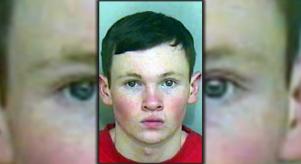
Corll was helped by a pair of teenage boys, Elmer Wayne Henley Jr. and David Owen Brooks. Between them, they helped him find and lure victims, contributing to a killing spree that claimed at least 29 young men and teenage boys between 1970 and 1973.
Crime+Investigation examines how a friendship that began with sweets and small kindnesses drew a 12-year-old boy into one of America's deadliest killing sprees.
When Brooks met Corll
Disturbingly, Brooks' relationship with Corll began when he was still a child. He was just 12 years old when he first met the older man, who was known locally as the ‘Candy Man’. Corll’s family owned a candy business, and he gave sweets to the children of the neighbourhood.
At first, Corll appeared to be a friendly man who was happy to spend time with local teenagers. Behind that squeaky-clean persona was a predator who would eventually draw Brooks into a horrific murder spree.

Corll reportedly offered Brooks gifts, money, drugs and alcohol, gradually building a relationship in which he became an influential figure in the teenager's life. This ‘friendship’ developed over several years.
By the late 1960s, Corll was allegedly paying Brooks to allow him to sexually abuse him. Brooks was still just a teen. Corll's influence over Brooks would eventually become even more sinister. He began using him to find and lure other boys into his evil trap.
The recruitment begins
According to accounts of the case, Corll targeted vulnerable young people, including runaways and teenagers who were struggling at home. Brooks became useful to him.
He was instructed to bring boys to Corll's home, offering Brooks around $200 per boy. Brooks often lured the young men using promises of parties, drugs or money to persuade them to come along.
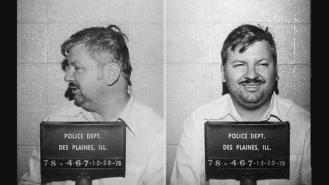
It would be inaccurate to say Brooks was simply unaware of what Corll was doing. He was actively helping him find potential victims. One of the teenagers Brooks brought into Corll's orbit was Elmer Wayne Henley, whom Brooks knew from school. Henley would eventually become Corll's other accomplice.
Together, the teenagers helped create a system that allowed Corll to continue killing.
A double life
The trio’s operation involved bringing young men to Corll's properties and allowing them to be subjected to horrific abuse before being killed.
Investigators eventually uncovered bodies buried at several locations around Houston and Pasadena, Texas. At least 29 victims were linked to Corll, although the possibility remains that others were never identified.
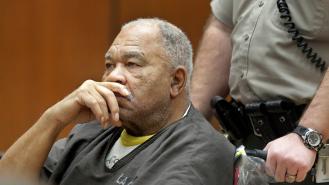
But while David Brooks was assisting a serial killer, he was also trying to be a family man. At home and away from Dean, he married his pregnant fiancée in July 1973. They moved to an apartment to focus on their family.
During this time, Elmer worked alone with Dean, helping him murder other young boys.
The murder that put David Owen Brooks on trial
The killings finally came to light in August 1973, when Elmer Henley shot and killed Corll during an after-party confrontation at Corll's home. Henley subsequently told police that he killed Corll in self-defence. He also told them what had been happening.
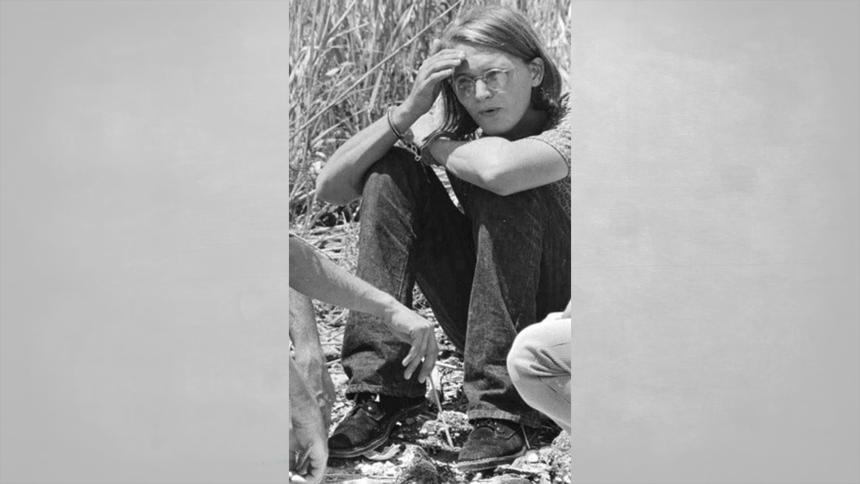
He led investigators to a warehouse in Houston where the victims' remains were found. David Owen Brooks surrendered to authorities the same evening. He admitted to helping Corll abduct and bury victims but denied participating in the killings themselves. That distinction would become central to his eventual trial.
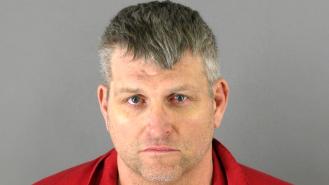
Brooks maintained that Corll was responsible for the murders and that his own role was limited to helping bring victims to him and assisting with the disposal of their bodies.
Prosecutors believed otherwise. Brooks was eventually charged with several murders, but prosecutors ultimately brought him to trial for the June 1973 killing of 15-year-old William Ray Lawrence.
His defence argued that Brooks had been an accessory rather than a murderer. Brooks himself maintained that he had not killed anyone. David Owen Brooks served 45 years of his sentence before dying behind bars in 2020.
For more on the cases that shaped America's understanding of serial crime, sign up to the Crime+Investigation newsletter. Every week, you'll receive the latest articles, episodes and more from C+I delivered straight to your inbox.