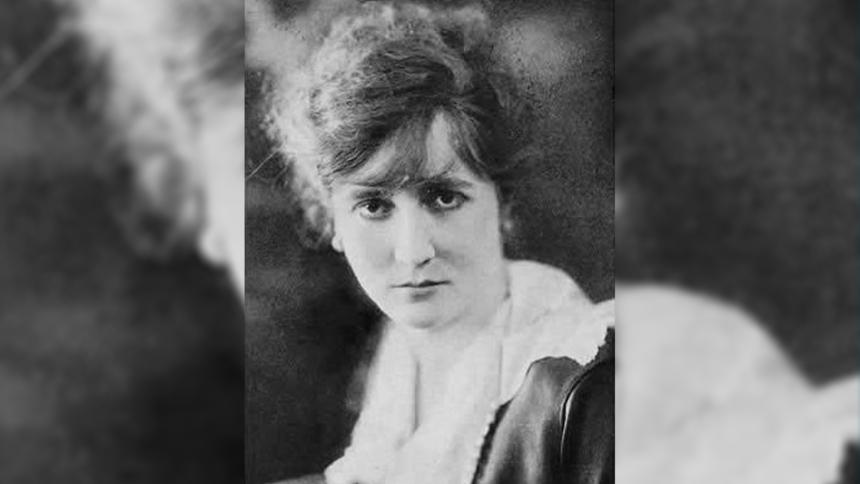
Nance O’Neil and Lizzie Borden: The unlikeliest of friendships
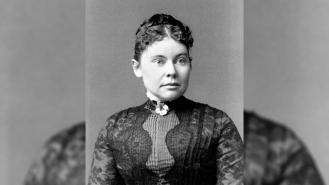
Lizzie Borden: 40 WhacksIf you were casting a story about unlikely friendships in American history, you couldn’t dream up a better pairing than Nance O’Neil and Lizzie Borden. On one side: a towering, emotionally electric stage actress once hailed as the 'American Bernhardt', on the other, the most notorious woman in the country – Lizzie Borden, acquitted of murdering her father and stepmother, but never escaping the shadow of those 1892 killings.
And yet, in 1904, more than a decade after the murders, these two women formed a bond so intense and so unexpected that it sent New England gossip mills into overdrive.
Join us at Crime+Investigation as we explore the friendship between the two prolific women.
To find out everything you need to know about the biggest case of the 19th century, visit our in-depth Lizzie Borden Crime File.
A life lived at full volume
Born Gertrude Lamson in 1874, Nance O’Neil didn’t stroll into the theatre – she stormed it. By the late 1890s and early 1900s, she was touring internationally in heavy dramatic roles like Camille, Hedda Gabler, Magda, and Trilby. Critics compared her to Sarah Bernhardt, and her manager, McKee Rankin, strategically fed the public’s appetite for larger-than-life actresses.
Nance built her early career by performing anywhere she could – 'barns, tents, rough-and-ready theatres' – before becoming a full-fledged tragedienne with world tours under her belt. She was intense, magnetic and known for throwing herself into parts with a kind of fearless emotional abandon.
By the time she reached her early thirties, Nance was both famous and infamous. She wasn’t afraid of melodrama, on or off the stage, and she carried a certain rebellious glamour that must have looked like a burning torch to someone living in the shadows of scandal.
Which brings us to Lizzie.
Lizzie Borden: Acquitted, but never free
By 1904, Lizzie Borden had been acquitted for over a decade, but that acquittal didn’t bring her peace. She and her sister Emma had moved into their stylish home, Maplecroft, on 'The Hill' in Fall River, but Lizzie remained a kind of local ghost – visible, but not welcome. The town didn’t forget. People turned away in the street. Her name drew stares, whispers, and occasionally outright hostility.
So, imagine what it must have felt like when an internationally celebrated actress breezed into her life and accepted her hospitality.
Their friendship began when Nance and her theatre troupe were performing in Boston. Lizzie somehow managed an introduction, and something clicked. Before long, Lizzie was hosting gatherings for the cast at Maplecroft, throwing the kind of lavish parties she was rarely able to enjoy. Nance, for her part, seemed genuinely fond of Lizzie, or at least unfazed by the social risks of spending time with her.

And the moment news of their friendship leaked, people went into overdrive.
Whispers, rumours and drama
Remember: this was the early 1900s. Two unmarried women forming a close, emotionally intense bond was already fodder for gossip. Add in the fact that one of them had been accused of being an axe murderer, and the other was a charismatic actress known for brooding, tragic roles – well, you can practically hear the newspapers sharpening their pencils.
Was the friendship romantic? People gossiped freely about that possibility. While there’s no firm evidence, the suspicion itself tells us a lot about how the friendship was perceived. At the time, 'Boston marriages' (close, long-term partnerships between women) were common, but the idea of Lizzie in such a relationship provided an irresistible story twist for the public.

Some people whispered that Nance was enjoying Lizzie’s generosity a little too freely: the parties, the hospitality, even financial support. Others believed Nance didn’t care about the scandal and valued Lizzie for who she was.
Their friendship burned bright, but not for long. By 1905, Lizzie’s sister Emma abruptly moved out of their home, reportedly because of tension surrounding Nance. Whatever happened, the O’Neil–Borden connection cooled.
But the legend of their friendship? That never cooled at all.
Why was their friendship so captivating?
Part of the fascination lies in contrast. Nance lived loudly; Lizzie lived under suffocating scrutiny. Nance was adored; Lizzie was shunned. Yet somehow, these two women found comfort and companionship in each other.
Their connection was profound enough to threaten family ties and fuel decades of speculation.
Love true crime? Stay in the know with the Crime+Investigation newsletter! Get exclusive access to new articles, episodes, clips, competitions, and more – delivered weekly and completely free. Don't miss out – sign up today!