'Lizzie Borden took an axe': How a grisly rhyme became an American legend
Lizzie Borden: 40 WhacksEven if you’ve never studied the Lizzie Borden case, chances are the rhyme has found its way to you at some point. Whether it be in a playground, a TV show or whispered at a sleepover.
'Lizzie Borden took an axe,
And gave her mother forty whacks.
When she saw what she had done,
She gave her father forty-one.'
Sound familiar? Well, there is a story behind the song.
It’s catchy. It’s chilling. And, like many pieces of true-crime folklore, it’s not remotely accurate. But how did a brutal double homicide from 1892 transform into one of the most enduring American jump-rope chants? And why did this little rhyme survive when so many other Victorian scandals vanished into dust?
Join Crime+Investigation as we tap into the Lizzie Borden rhyme, how it connects to the case, and how it spread into wider culture.
To find out everything you need to know about the biggest case of the 19th century, visit our in-depth Lizzie Borden Crime File.
A murder that shocked the nation
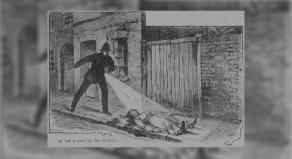
On 4th August 1892, in the quiet mill town of Fall River, Massachusetts, Andrew and Abby Borden were found brutally murdered in their home. Andrew had been struck multiple times with a hatchet-like weapon, and Abby had been killed upstairs in a similarly violent attack.
Suspicion quickly turned to Andrew’s 32-year-old daughter, Lizzie Borden, who lived in the house and claimed to have discovered her father’s body. The crime was shocking not only because of its savagery, but because it involved a respectable, churchgoing, upper-middle-class woman.

Lizzie was arrested, put on trial and acquitted. But acquittal wasn’t the same thing as vindication. Newspapers had already turned her into a national headline, and public opinion stayed divided long after the jury said, 'not guilty'.
And that’s precisely where the rhyme comes in.
Where did the rhyme come from?
The famous four-line chant didn’t appear during the trial. It surfaced years later, around the turn of the 20th century. It began as a bit of vaudeville doggerel – a cheeky, melodramatic piece of stage entertainment meant to capitalise on a sensational case that audiences still loved to gossip about.
Think of it like the 1890s version of a viral TikTok sound: short, punchy, easy to remember and rooted in a story everyone already knew.
The rhyme spread from vaudeville stages to local newspapers and eventually, into the schoolyards. Children repeated it not because they understood the case, but because it had the irresistible hallmarks of a great chant: rhythm, shock value and scandal.

Ironically, the numbers in the rhyme – forty whacks for Abby, forty-one for Andrew – are wildly exaggerated. Abby was struck around 18 times, and Andrew about 11. But folklore doesn’t care about accuracy.
Impact in spades
There were plenty of gruesome murders in the late 19th century, yet only one became a schoolyard chant. Why? Because the Lizzie Borden case carried the perfect mix of elements that true-crime folklore thrives on.
Lizzie was considered by society to be a proper lady, a well-dressed, church-going Victorian woman. So, swinging an axe was unthinkable in those days. Her alleged involvement made the case scandalous.

Her case divided the public. Lizzie had supporters and detractors in equal numbers. The trial became a national debate, with everyone convinced they knew the 'real truth'. Even after the acquittal, the question 'Did Lizzie do it?' refused to die. The rhyme fit perfectly into that space between suspicion and certainty.
According to history books, the Borden home was notoriously unhappy. Strict rules, locked doors, and simmering resentment were the backdrop for this folklore legend.
How the chant spread into pop culture
By the 1920s, the rhyme was printed in newspapers. By the 1930s, it appeared in children’s books. And from there, Lizzie Borden, the person, became Lizzie Borden – the myth.
The chant has since found its way into various movies, paranormal TV shows, books, music and even tourist culture. Fall River still leans into the town’s dark history.
The rhyme became a shorthand – a quick, spooky reference that instantly conjures the infamous case without needing any further explanation. And while the chant is grisly, it’s also strangely enduring. There’s something about its sing-song rhythm clashing with its violent background that keeps pulling people back.
Love true crime? Stay in the know with the Crime+Investigation newsletter! Get exclusive access to new articles, episodes, clips, competitions, and more – delivered weekly and completely free. Don't miss out – sign up today!