The 2017 London Bridge terror attack
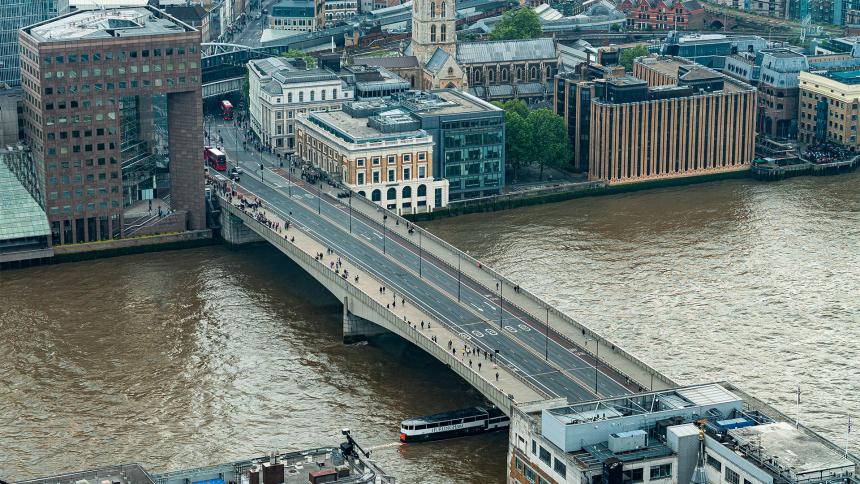
On the evening of 3rd June 2017, central London was filled with its usual weekend crowds. Tourists crossed London Bridge, restaurants around Borough Market were busy, and pubs were packed with people enjoying a warm summer Saturday. Then, just before 10pm, everything changed.
Three terrorists drove a hired van at high speed into pedestrians on London Bridge before crashing near Borough Market. Armed with large knives and wearing fake explosive belts, they continued the attack on foot, stabbing people in the streets, bars and restaurants.
By the end of the night, eight innocent people had been killed and dozens more injured in one of the deadliest terror attacks Britain had seen in recent years. Join Crime+Investigation as we explain what happened, who the attackers were and how they were stopped.
Who were the attackers?
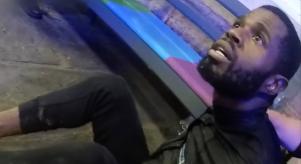
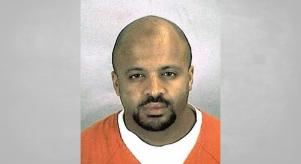
The three attackers were later identified as Khuram Butt, Rachid Redouane and Youssef Zaghba. Butt, a British citizen of Pakistani heritage, had previously appeared in a television documentary about Islamist extremism and had reportedly been known to security services. Zaghba was an Italian national of Moroccan descent, while Redouane had claimed both Moroccan and Libyan backgrounds.
Investigators later discovered the men had originally attempted to hire a much larger truck but failed because of payment issues. Instead, they used a white Renault van, which they drove repeatedly onto the pavement of London Bridge, deliberately targeting pedestrians.
After crashing near Borough High Street, the attackers ran into Borough Market and began stabbing people at random while shouting extremist slogans. Panic spread quickly through the crowded area as people fled into restaurants, pubs and alleyways in search of safety.
The victims behind the headlines
The eight people killed came from different countries and backgrounds, but each left behind devastated families and friends.
Among them was 30-year-old Canadian social worker Christine Archibald, who had moved to Europe with her fiancé.
Two Australian women were killed – Kirsty Boden, a nurse who had run to help, and 21-year-old au pair Sara Zelenak.
Three Frenchmen were also among the dead – Sebastien Belanger, a chef, Alexandre Pigeard, a waiter and aspiring restaurateur, and Xavier Thomas, a business travel manager.
Spanish banker Ignacio Echeverría, who died while fighting the terrorists and James McMullan, the only British fatality, were the final two victims.
A further 48 others were injured in the carnage. Many survivors carried lasting physical and psychological scars. Some suffered life-changing injuries, while others later spoke about trauma, survivor’s guilt and the lingering fear that followed them long after the attack ended. The speed and chaos of the violence left many witnesses struggling to process what they had seen.
The heroes who fought back
One reason the London Bridge attack continues to resonate is because of the remarkable bravery shown by members of the public.
Tributes were paid to Ignacio Echeverría, the 39-year-old Spanish banker who used his skateboard to confront the attackers after seeing a police officer being assaulted.
Witnesses said Echeverría struck at least one of the terrorists, helping others escape before he was fatally stabbed himself. He was later posthumously honoured for his bravery.
Another widely remembered figure was Roy Larner, a Millwall football supporter who confronted the attackers inside the Black and Blue steakhouse. According to reports, he shouted 'F*** you, I’m Millwall' as he fought them with his bare hands, giving others time to escape. Larner suffered multiple stab wounds but survived.
Elsewhere, restaurant workers, pub staff and passers-by improvised however they could. Witnesses described people throwing bottles, chairs and tables at the attackers in desperate attempts to slow them down. A Romanian baker struck one attacker with a crate before sheltering frightened members of the public inside his bakery.
How was the attack stopped?
Armed police responded with extraordinary speed. The first emergency calls came shortly after 10pm, and within eight minutes, all three attackers had been shot dead by firearms officers. CCTV later showed the terrorists charging towards armed police moments before they were killed.
Investigators later revealed the attackers had worn fake suicide belts made from taped water bottles designed to create panic and delay police intervention. Inside the van, officers also discovered petrol bombs and blowtorches, suggesting the attackers may have planned an even larger atrocity.
For more on Britain's most significant criminal cases, sign up to the Crime+Investigation newsletter. Every week, you'll receive the latest articles, episodes and more from C+I delivered straight to your inbox.