One DNA test could unmask the Zodiac Killer. But police won't allow it
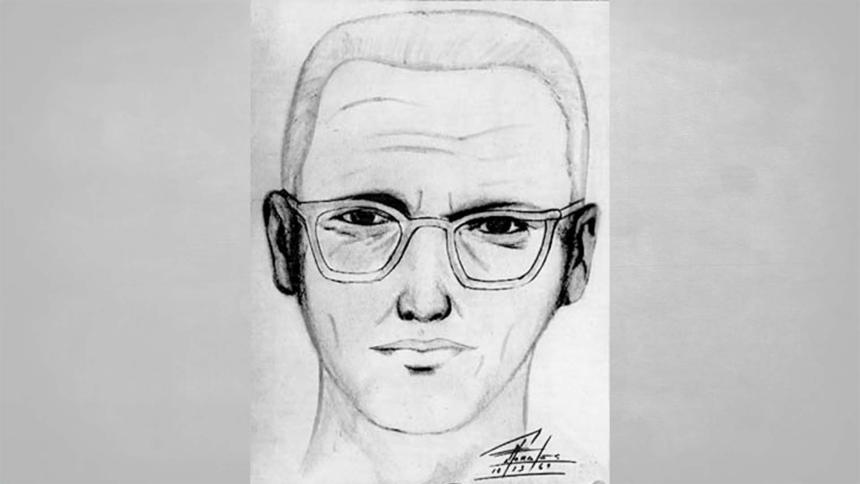
For more than 50 years, the Zodiac Killer has remained one of America’s most infamous unidentified murderers. Detectives, journalists, amateur sleuths and cryptographers have spent decades trying to put a name to the man who terrorised Northern California in the late 1960s.
Now, a team of forensic experts says a single DNA comparison could finally answer the question that has haunted investigators for generations.
So why hasn’t it happened?
Crime+Investigation examines why the test hasn't happened – and what it could mean for one of America's most enduring criminal mysteries.
A public spectacle
The Zodiac Killer is linked to a series of attacks between 1968 and 1969, including the murders of young couples and a San Francisco cab driver. In total, five deaths are officially confirmed, though the killer claimed far more in taunting letters sent to newspapers.
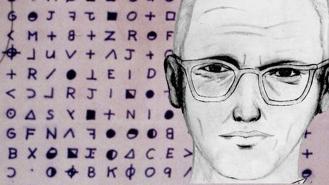
Those letters made the case unique. The Zodiac included cryptograms, threatened additional attacks and appeared to bask in the public attention. Two of the four cyphers were eventually solved – one as recently as 2020 – but neither revealed the killer’s identity.
Despite thousands of leads, no one has ever been charged.
Why the case has survived for decades
Part of the problem is that investigators have never fully agreed on the scope of the killer’s crimes. Some murders have been debated as possible Zodiac attacks, while others have been ruled out. The uncertainty has complicated efforts to build a complete profile.
Timing is another challenge. The crimes occurred before modern DNA standards in preserving evidence existed. Evidence was collected across multiple jurisdictions, forensic techniques have changed dramatically since the 1960s and some evidence could have degraded over time.
As the years passed, investigators focused on a long list of suspects. The only person ever publicly identified by police as a suspect was Arthur Leigh Allen but evidence against him never led to charges. Other names have surfaced repeatedly but haven’t been proved.

The latest suspect
In recent years, an independent investigative group known as the Case Breakers has argued that they may have identified the Zodiac Killer as Gary Francis Poste.
Poste died in 2018, but the group says eyewitness accounts and several pieces of circumstantial evidence point toward him.
Law enforcement agencies haven’t accepted their conclusion. The FBI has said the Zodiac case remains open and local investigators have been sceptical about the evidence presented so far.
This brings the investigation to a much more specific piece of evidence.
The victim at the centre of the dispute
The crucial evidence comes from the 1966 murder of Cheri Jo Bates, a college student killed in Riverside, California. Some researchers believe Bates might have been an early Zodiac victim. However, the local police department has long maintained that her murder was likely committed by someone local and unrelated to the Zodiac case.
That disagreement has enormous consequences.
After Bates’ death, investigators collected hair, skin and blood found beneath her fingernails. Those samples remain in police custody. According to forensic expert Tom Mauriello, they could potentially be compared against DNA from the Case Breakers’ suspect, Gary Francis Poste.

The DNA test everyone is waiting for
Tom Mauriello is a senior lecturer at the University of Maryland and a former Department of Defence investigator. He reports that the Case Breakers believe they have uncovered enough evidence to justify comparing the DNA with Poste’s.
Their argument is simple: if the DNA from under Bates’ fingernails matches their suspect, it could provide the strongest forensic link yet in the Zodiac investigation. If it doesn’t match, investigators can eliminate that lead and move on.
But the test hasn’t been authorised and the police are certain that the murder was not committed by the Zodiac Killer.
Why police won’t allow it
Police officer Ryan Railsback stated, ‘We 100% believe our Cheri Jo Bates case is not affiliated with the Zodiac case…nothing has changed on that.’
With the police determined that the cases aren’t related, the Case Breakers are unable to carry out the test they believe could finally confirm or rule out Poste as the Zodiac Killer.
Whether that DNA comparison would actually solve one of America’s greatest criminal mysteries remains unknown. But after more than 50 years of speculation, cyphers and suspect lists, the possibility that a single DNA test could provide an answer is enough to keep the debate alive.
For more on the unsolved cases that continue to captivate investigators and the public alike, sign up to the Crime+Investigation newsletter. Every week, you'll receive the latest articles, episodes and more from C+I delivered straight to your inbox.