The brothers behind the Manchester bombing
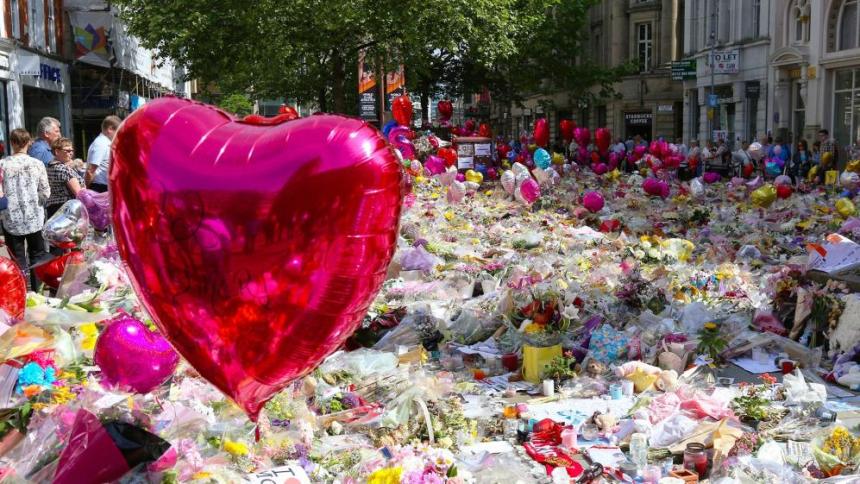
What was meant to be an innocent evening watching their favourite popstar perform soon turned into tragedy. On the 22nd May 2017, 22 people were killed leaving an Ariana Grande concert in Manchester.
A decade on from the Manchester Arena bombing, the attack remains one of the darkest moments in modern British history. A homemade bomb exploded in the arena foyer, and at the centre of the atrocity were two brothers, Salman Abedi and Hashem Abedi.
In this article, Crime+Investigation explores the brothers’ path into violent extremism that shocked both Manchester and the wider country. Read on as we deep dive into the tragic events.
Early childhood in Manchester
The Abedi brothers were born into a Libyan family living in Manchester. Their parents had fled Libya after opposing the regime of Colonel Muammar Gaddafi, eventually settling in South Manchester. By many accounts, Salman appeared to live an ordinary life at first. Friends described him as sociable and outgoing during his teenage years. He attended local schools, briefly studied at the University of Salford and worked at a bakery.

Yet beneath that surface, investigators later discovered a growing attraction to extremist ideology. Salman’s family had connections to the Libyan Islamic Fighting Group, an Islamist organisation opposed to Gaddafi. During the Libyan civil war, both Salman and his younger brother Hashem travelled between the UK and Libya, where they were exposed to conflict, armed groups and radical networks.
Reports later revealed that Salman had become increasingly angry and isolated in the years before the attack. Members of Manchester’s Libyan community, as well as acquaintances and religious leaders, raised concerns about his extremist views. One imam recalled Salman reacting angrily to sermons condemning the Islamic State and violent extremism.
The road to extremism
Understanding how the brothers embraced terrorism is hard to pinpoint because there was no single turning point. Instead, investigators described a gradual process shaped by ideology, grievance and exposure to extremist networks.
Salman reportedly became consumed by global conflicts involving Muslims, particularly the war in Syria. According to people who knew him, he increasingly justified violence and expressed support for suicide bombings. Friends and fellow students noticed changes in his behaviour, while intelligence agencies later admitted opportunities to intervene may have been missed.
Hashem followed a similar path. Younger than Salman, he was heavily influenced by his older brother and became actively involved in preparing the attack. Investigators later concluded the two worked together over several months, sourcing bomb materials, storing equipment and assembling the device that would be detonated at Manchester Arena.
The night of the attack
On the night of the concert, Salman Abedi entered the arena complex carrying a backpack containing a homemade bomb packed with shrapnel. At 10:31pm, as crowds of children, teenagers and parents were leaving the venue, Abedi detonated the device. Salman himself died in the explosion.
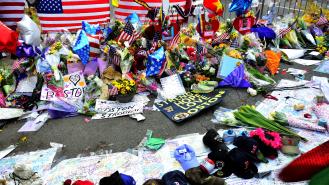
The attack devastated families across the UK. Many of the victims were young people attending their very first concert. The bombing also left lasting psychological trauma for survivors, witnesses and emergency workers who responded that night.
In the months and years that followed, public inquiries examined how Salman had been able to carry out the attack despite warnings about his extremist behaviour. MI5 later acknowledged there had been missed opportunities to identify him as a serious threat.
Hashem Abedi’s trial and sentence
While Salman died in the bombing, his younger brother faced justice in court. Shortly after the attack, Hashem Abedi was arrested in Libya before eventually being extradited to the UK. Prosecutors argued that he was not a peripheral figure but an active participant in the plot.
During his 2020 trial, jurors heard evidence showing the brothers had jointly prepared the bomb and worked together in the months leading up to the attack. Hashem was convicted of 22 counts of murder, attempted murder and conspiracy to cause an explosion.
In August 2020, he was sentenced to life imprisonment with a minimum term of 55 years, the longest minimum sentence ever imposed by a British court at the time.
The judge stated that Salman and Hashem were 'equally responsible' for the atrocity, even though Salman had detonated the bomb himself. Because Hashem was under 21 at the time of the attack, the court could not impose a whole life order.
Love true crime? Stay in the know with the Crime+Investigation newsletter! Get exclusive access to new articles, episodes, clips, competitions, and more – delivered weekly and completely free. Don't miss out – sign up today!