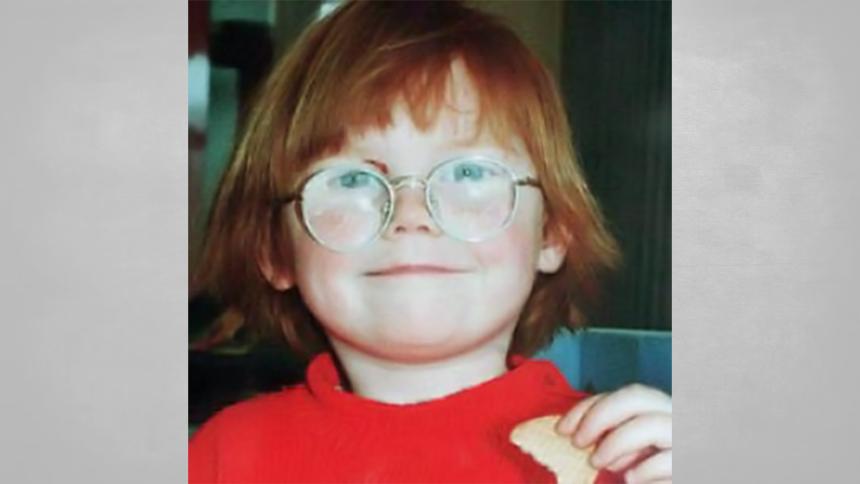
The murder of three-year-old Rosie Palmer
In 1994, three-year-old Rosie Palmer was enjoying an ice cream close to her home. What was just a regular day for the little girl would turn into every parent's worst nightmare. Rosie was abducted, and three days later, her body was found in a house not far from her own.
Crime+Investigation examines the events of that day, the investigation that followed, and the questions it raised about child protection measures in the community.
Rosie Palmer
Rose Frances Palmer, known as Rosie, was born on 1st August 1990. At the time of her murder, she lived with her mother, Beverley, and her stepfather, John Thornton, on the Headland Estate in Hartlepool, County Durham, England. On 30th June 1994, she was just over a month away from her fourth birthday.

The abduction and murder of Rosie Palmer
That day was mostly a regular day for the toddler and her family. After her stepfather picked her up from nursery, Rosie spent some time playing at a neighbour’s house. At around 3:30pm, Rosie went to her stepdad to ask for money. She wanted to buy an ice cream from the local ice cream van.
Two hours later, Rosie had still not returned home, and her parents realised she was no longer at the neighbour's house. The local residents joined up with Rosie’s parents to help search for her. She was reported missing to the police at around 8:45pm in the evening.
A significant search for Rosie began. This included more local volunteers as well as tracking dogs and door-to-door inquiries. The shore, sea, and various buildings – such as warehouses, abandoned buildings and industrial sites – close to the dock area were searched.
During the door-to-door inquiries, the police visited the flat of Shaun Anthony Armstrong. They first went to Armstrong’s flat on 1st July, and returned the next day while doing cursory searches. Authorities spoke to Armstrong again on 3rd July, and when they did, his attitude changed significantly. He became worried and on edge, contrasting with his helpful and cooperative behaviour previously.
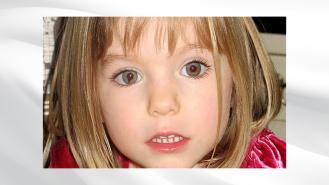
Armstrong was arrested on suspicion that he was involved with Rosie’s disappearance and the police searched his flat one more time. It was during this search that her body was found.
Rosie's body was discovered concealed in Armstrong's flat. She had been sexually assaulted and murdered. The severity of her injuries meant pathologists were unable to determine a precise cause of death.
The arrest, trial, and disturbing behaviour of Shaun Armstrong
Armstrong had been drinking heavily for two days when he murdered Rosie, as he had been celebrating his birthday. He arrived home in a taxi at the same time that the ice cream van arrived at the estate. It was then that he abducted Rosie and abused and murdered her in his flat.

This case highlighted various issues within the UK, such as the dangers of unchecked psychiatric patients and social housing policies. Armstrong, then 32, was well known and highly disliked in the neighbourhood. He already had convictions and was being investigated for sexual offences against children. He was never charged for these previous offences.
Known on the estate as 'Tony the Pervert', he had previously been diagnosed with a psychopathic personality. He got a flat when his psychiatric consultant wrote a letter on his behalf to the Housing Department, labelling him as a vulnerable adult.
Armstrong had originally planned to plead insanity to receive a manslaughter charge on the grounds of diminished responsibility. However, his scheme was uncovered by a writer called Bernard O’Mahoney, who had posed as a woman writing letters to Armstrong in an attempt to get information out of him.
His plan worked, and Armstrong revealed both his plan to feign insanity and the intentional murder of Rosie in the letters. The letters were shown to the jury, and on 28th July 1995, Armstrong was sentenced to life in prison with a minimum of 16 years. His parole has been denied several times, and as of 2026, he is still in prison.

Rosie's mother has been outspoken about child protections laws. She pursued legal action claiming that Tees Health Authority had failed to assess Armstrong's risk to the community. Her case was rejected.
Although an independent review found that the care given to Armstrong was inadequate and full of shortcomings, it concluded that his devastating actions could not have been predicted.
For more on cases that have shaped child protection law and policy in the UK, sign up to the Crime+Investigation newsletter. Every week, you'll receive the latest articles, episodes and more from C+I delivered straight to your inbox.