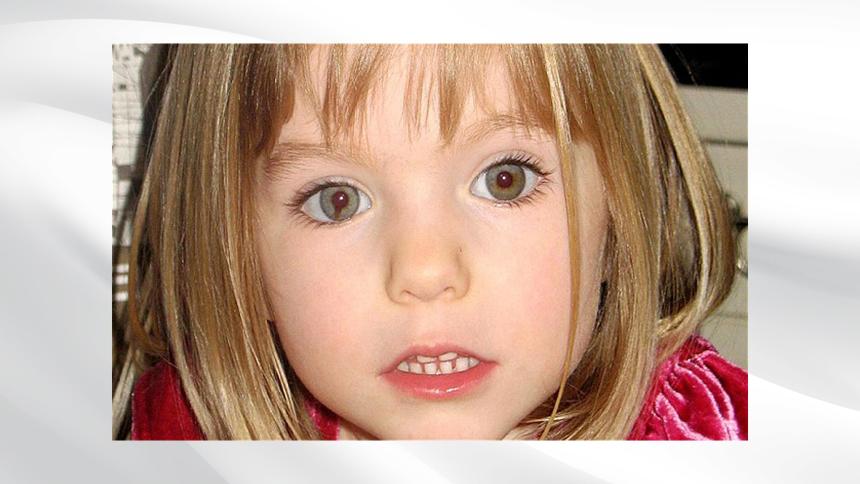
Kate and Gerry McCann: The interrogation
When three-year-old Madeleine McCann disappeared from a holiday apartment in Portugal in 2007, the story quickly became one of the most high-profile missing person cases in modern history.
In the early days, attention focused on the search for an unknown abductor. But as weeks passed without clear answers, the investigation took a controversial turn. Madeleine’s parents, Kate McCann and Gerry McCann, were drawn into the centre of suspicion.
Crime+Investigation looks at how two parents, already living through unimaginable loss, found themselves at the centre of one of the most controversial suspect investigations in modern British criminal history.

Why did the suspicion fall on them?
In the months after Madeleine vanished, Portuguese police faced mounting pressure to produce answers. With few solid leads and no confirmed sightings, investigators began to re-examine the evidence they had gathered from the apartment and the surrounding area.
Part of their suspicion stemmed from forensic findings. Reports suggested that trace evidence, including the scent of cadaver dogs and DNA samples, may have been linked to the McCanns’ holiday apartment and a rental car they used weeks after Madeleine disappeared.
These findings were complex and far from conclusive. Even at the time, there were questions about how reliable such evidence was in isolation. But within the investigation, it was enough to shift focus.
Portuguese authorities formally named both parents as 'arguidos', a legal status that means they were considered suspects and could be questioned under caution. For Kate and Gerry McCann, the change was profound. In the eyes of many, they had moved from grieving parents to potential suspects in their daughter’s disappearance overnight.

The interrogation process
Kate McCann’s interrogation reportedly lasted for many hours. She was repeatedly asked to explain inconsistencies in timelines, details of the night Madeleine went missing, and aspects of the forensic evidence. According to later accounts, she was pressed to consider hypothetical scenarios, including whether Madeleine may have died accidentally in the apartment.
Gerry McCann was also questioned in depth, with investigators focusing on similar lines of inquiry. Both parents maintained consistently that they were not involved in their daughter’s disappearance.
The experience was described as exhausting and distressing. Already dealing with the trauma of losing their child, they were now being asked to defend themselves against serious and deeply personal accusations.
Language barriers added further strain. Interviews were conducted through translators, increasing the risk of misunderstanding during an already intense process.

Media frenzy and public attention
As news spread that the McCanns had been named as suspects, media coverage intensified dramatically.
Newspapers across the UK and internationally ran headlines questioning the parents’ behaviour, their decisions on the night Madeleine disappeared and the emerging forensic claims. Speculation quickly filled the gaps left by uncertainty.
For Kate and Gerry McCann, the impact was immediate and overwhelming. They were not only dealing with private grief, but also public suspicion on a global scale.
Release and removal of suspect status
Despite the intensity of the investigation, no definitive evidence was ever found to support claims that the McCanns were responsible for Madeleine’s disappearance.
In July 2008, Portuguese authorities formally lifted their arguido status. The case was archived due to a lack of evidence. This decision marked the official end of the period during which they were treated as suspects. It also reflected growing doubts about the direction the investigation had taken.
In the years that followed, many of the forensic claims that had fuelled suspicion were challenged or discredited. Experts questioned the reliability of the DNA evidence and the conclusions drawn from it.
The McCanns consistently denied any involvement, and no charges were ever brought against them.

The impact on the investigation
The decision to focus on Madeleine’s parents had significant consequences for the wider investigation. Time and resources were diverted into building a case that led nowhere. Meanwhile, other potential leads may not have been pursued with the same urgency.
Critics later argued that this shift in focus delayed a crucial stage of the search. In missing person cases, the early days are often the most important. Any diversion of attention can reduce the chances of finding answers.
The controversy also complicated cooperation between Portuguese and British authorities. Tensions between investigative teams were reported, potentially further hindering progress.
In later years, the investigation was reopened, and new lines of inquiry were explored, including the identification of other suspects. But by then, valuable time had already been lost.
For more on the cases that have shaped modern criminal investigation, sign up to the Crime+Investigation newsletter. Every week, you'll receive the latest articles, episodes and more from C+I delivered straight to your inbox.