Henry Nowak: A murder victim put in handcuffs
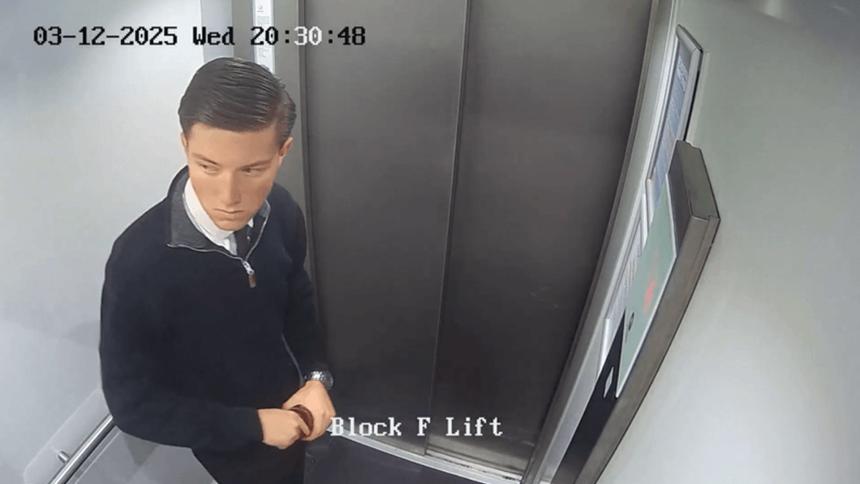
What should have been a normal evening with friends soon turned into murder for 18-year-old Henry Nowak. On 3rd December 2025, the University of Southampton student ran into his killer at around 11:30pm. What happened next would shatter the lives of many, including Henry.
But what happened that evening? While walking home alone, Henry crossed paths with Vickrum Digwa. This 'chance meeting' would lead to Nowak’s last journey home. Crime+Investigation examines the events of that evening, the trial that followed, and the questions that remain about how Henry was treated in his final moments.
Who was Henry Nowak?
Originally from Essex, the first-year accountancy student was, according to friends, 'fully embracing uni life'. On the night of his murder, Henry had been out with his football teammates for a night on the town. According to friends and family, he was 'ambitious, determined and full of life'.
What happened in the space of a few minutes would lead to a case that prompted widespread public debate about both the killing and the police response that followed.

The encounter on Belmont Road
As Henry made his way home through the Portswood area of Southampton, he encountered 23-year-old Vickrum Digwa. Evidence presented at trial indicated that Henry was under the drink-drive limit and was unarmed.
Court proceedings later revealed that there was an interaction between the two men before violence broke out. Evidence included footage from Henry's phone showing Digwa walking away during a verbal exchange. Henry had noticed Digwa carrying a large blade, which is why he began filming.
Prosecutors argued that Digwa became angry after realising he was being filmed and grabbed Henry's phone, leading to a confrontation. In an instant, Henry was stabbed multiple times with the blade.
The teenager died from four stab wounds, which his killer filmed as he lay dying.
The lie that changed everything
In many murder cases, emergency responders arrive with a reasonably clear understanding of who needs help. That did not happen here.
When police arrived at the scene, Digwa immediately claimed that he had been attacked and racially abused by Henry. He alleged that Henry had assaulted him and knocked off his turban. Those claims were repeated while Henry lay seriously injured nearby.
During the trial, prosecutors described Digwa's account as a 'wicked lie'
'I can’t breathe'
The most distressing aspect of the case emerged months later when body-worn camera footage was released. The hard-to-watch footage showed Henry repeatedly telling officers that he had been stabbed. He also complained that he could not breathe.
Despite those warnings, officers treated him as a suspect rather than a victim. He was handcuffed and arrested while suffering from catastrophic injuries. According to subsequent reporting, officers failed to recognise the seriousness of his condition and initially believed Digwa's account of events.
At the trial, the medical evidence indicated that Henry's injuries were so severe that earlier medical intervention would not have altered the outcome. He lost consciousness shortly afterwards and died at the scene.
Henry Nowak’s family. later described the treatment of their son as inhumane and said he had been denied dignity in his last moments.
'Henry did not die with dignity,' his father told reporters.
Public reaction
People wondered how a teenager repeatedly saying he had been stabbed could be treated as an offender rather than someone in urgent need of medical assistance.
Subsequent reviews suggested the officers failed to accurately assess the situation, accepted one account too readily and did not recognise signs of severe injury quickly enough. Experts later pointed to poor situational awareness and flawed decision-making rather than any single policy or procedure.
The case was referred to the Independent Office for Police Conduct, while further reviews were launched into the police response. Hampshire Police's chief constable later apologised to Henry's family for what had happened.
Conviction and sentencing
In June 2026, a jury found Digwa guilty of murder.
The court rejected his claims of racial provocation and self-defence, concluding that he had deliberately killed Henry. Digwa was sentenced to life imprisonment with a minimum term of 21 years before he can be considered for release. The sentence has since been referred to the Court of Appeal for review after concerns that it may be unduly lenient.
For more on cases that have raised questions about justice and the criminal process, sign up to the Crime+Investigation newsletter. Every week, you'll receive the latest articles, episodes and more from C+I delivered straight to your inbox.