Sabina Nessa: Murdered on her walk home
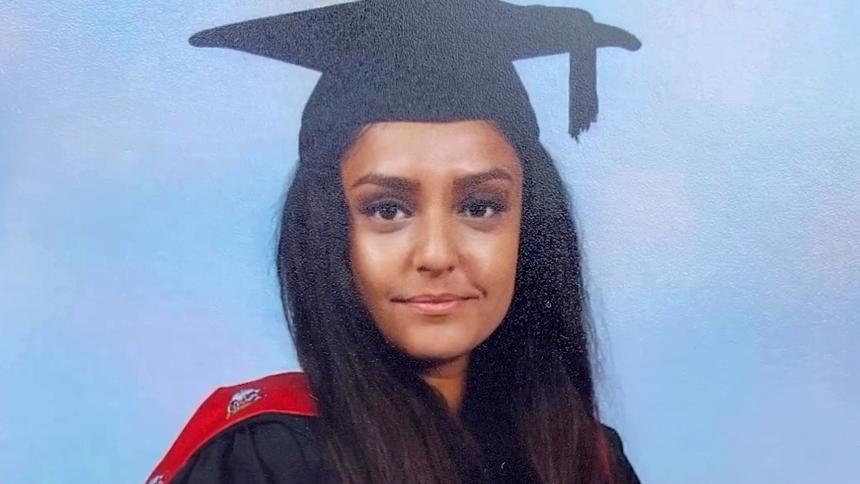
Last Night OutAn innocent five-minute journey that ended in tragedy. This is one of the many cases that shocked the nation. On the evening of the 17th September 2021, 28-year-old primary school teacher Sabina Nessa left her home in Kidbrooke, southeast London, to meet a friend at a nearby pub. The meeting never took place.
Instead, it became the final walk of her life.
Sabina was crossing Cator Park when a stranger targeted her. What happened next is horrific and sparked renewed debate about women's safety in public spaces. Join Crime+Investigation as we explore the motives, the trial and the public’s reaction to the case.
A random attack
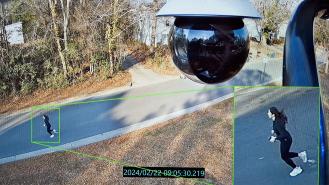
As Sabina walked through the park, she appeared completely unaware that danger was approaching from behind. CCTV footage later showed 36-year-old Koci Selamaj running towards her before launching a ferocious attack.
During sentencing, the court heard that Selamaj struck Sabina 34 times over the head with a metal traffic triangle. The violence was so extreme that the weapon broke apart. He then dragged her into an area of undergrowth and killed her before attempting to conceal her body beneath vegetation.
One of the most disturbing aspects of the case was its apparent randomness. Sabina and Selamaj had never met. There was no prior connection between them, no dispute and no obvious reason for the attack. So, why did it happen?
The judge later described the murder as a 'predatory attack' carried out against a stranger.
The motive
Even after Selamaj admitted responsibility for the murder, a clear motive remained elusive.
Throughout the legal proceedings, he offered little explanation for his actions. However, shortly before the trial, he accepted that the murder was sexually motivated. This became a significant factor during sentencing and helped prosecutors establish the nature of the attack.
What made the case especially unsettling was the lack of any personal connection between the victim and the killer. There was no evidence that Sabina herself had been specifically targeted. Instead, she appeared to have been selected simply because she was alone.
That reality struck a chord with many women across Britain, who saw in the case a frightening reminder of the risks that can accompany even the most routine journeys.

Following the trail
The investigation quickly became one of the Metropolitan Police's highest-profile murder inquiries.
Detectives launched an extensive review of CCTV footage from London and East Sussex, piecing together Selamaj's movements before and after the killing. Cameras captured him in and around Cator Park before the attack and tracked his journey back to Eastbourne afterwards. Investigators also discovered he had disposed of the traffic triangle believed to have been used in the murder.
As police released CCTV images of a suspect, the public response was immediate. The images were widely shared across news outlets and social media, helping to focus attention on the hunt for Sabina's killer.
Selamaj was arrested in Eastbourne on 26th September 2021, and charged with murder the following day. The arrest brought an end to an intense nationwide search, but many questions about the crime remained unanswered.

Guilty plea and sentencing
Initially, Selamaj denied murder while accepting responsibility for Sabina's death. However, in February 2022, shortly before his trial was due to begin, he changed his plea and admitted murder.
When sentencing took place at the Old Bailey in April 2022, Selamaj refused to appear in court.
Mr Justice Sweeney proceeded in his absence, describing Sabina as the 'wholly blameless victim' of an 'absolutely appalling murder'. The judge also noted that the case had heightened fears among women who simply wanted to walk safely through their communities.
Selamaj was sentenced to life imprisonment with a minimum term of 36 years before he can be considered for parole.
A nation mourns
The public reaction to Sabina's murder was profound.
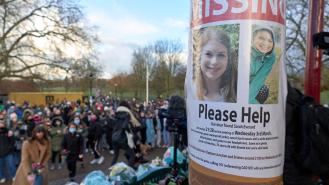
Coming just months after the murder of Sarah Everard, the case intensified concerns about violence against women and girls across the UK. Vigils were held in London and elsewhere, with hundreds gathering to remember Sabina and show support for her grieving family. Campaigners, politicians and community leaders described violence against women as a national crisis requiring urgent action.
The case also prompted conversations about media coverage and representation. Members of Sabina's family questioned whether the murder initially received the same level of attention as other high-profile cases, raising wider concerns about how victims from different backgrounds are represented in the national conversation.
Love true crime? Stay in the know with the Crime+Investigation Newsletter! Get exclusive access to new articles, episodes, clips, competitions, and more—delivered weekly and completely free. Don't miss out—sign up today!