Colin Stagg: The man falsely accused of Rachel Nickell's murder
The killing of Rachel Nickell on Wimbledon Common in July 1992 horrified Britain. The 23-year-old mother was stabbed to death in broad daylight while walking with her two-year-old son. The brutality of the attack, combined with the fact that it happened in such an ordinary public setting, created enormous public fear and pressure on the police to find the killer quickly. But who killed Rachel?
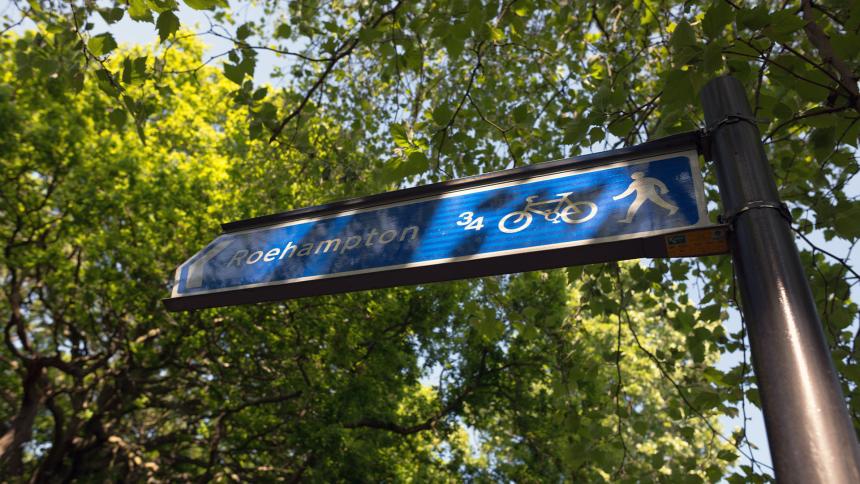
Caught in the middle of that storm was Colin Stagg, a quiet and socially awkward man from Roehampton. Join Crime+Investigation as we explore why Stagg was falsely accused of a crime he didn’t commit and how the truth later emerged.
Why was Colin Stagg a suspect?
Police investigating the murder quickly focused on Stagg because he lived nearby and regularly walked his dog on Wimbledon Common. Detectives also believed he matched a psychological profile created by criminal psychologist Paul Britton.
There was one major problem: no forensic evidence linked Stagg to the crime scene. No DNA, fingerprints or eyewitness testimony connected him to the murder. Still, investigators became convinced they had found their man.
Friends and neighbours described Stagg as 'lonely and eccentric rather than violent.'
He had interests in the occult and fantasy roleplay, which investigators treated with suspicion. In the heated atmosphere surrounding the case, these details were enough to fuel media speculation and deepen police interest.
Rather than stepping back because of the lack of evidence, detectives decided to push further, leading to the infamous undercover operation that would later dominate headlines.

The honey trap
The Metropolitan Police launched a covert sting operation known as Operation Edzell. An undercover female officer, using the fake identity Lizzie James, contacted Stagg pretending to be romantically interested in him. Over several months, she exchanged letters, phone calls and meetings with him, encouraging increasingly explicit conversations about sex, violence and fantasy.
The operation was designed to draw out a confession or incriminating statements. During one conversation, the undercover officer even suggested that she could only truly connect with a man capable of killing Rachel Nickell. Stagg repeatedly denied being responsible. One of the most striking moments came when he plainly responded: 'I’m terribly sorry, but I haven’t.'
Despite this, detectives continued building a case against him. The investigation increasingly relied not on hard evidence, but on assumptions about his personality and behaviour. Critics later argued that police became so determined to prove their theory that they ignored the possibility they were targeting the wrong man altogether.
Public humiliation
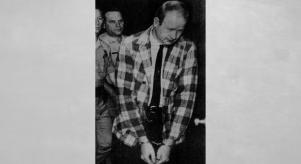
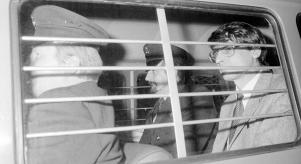
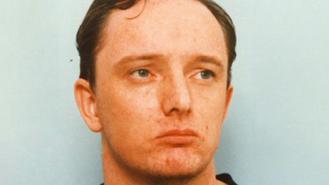
In 1993, Colin Stagg was arrested and charged with Rachel Nickell’s murder. The media frenzy was immediate and unforgiving. Newspapers portrayed him as sinister and dangerous, often focusing on his appearance and unconventional interests rather than any actual evidence.
Stagg spent around 14 months in prison on remand while awaiting trial. During that period, public opinion had already convicted him. For many people, the fact that he had been charged seemed proof enough.
But when the case finally reached the Old Bailey in 1994, everything unravelled. Mr Justice Ognall delivered a devastating criticism of the police investigation, condemning the undercover operation as 'deceptive conduct of the grossest kind.'
He ruled that the honey trap evidence was inadmissible and criticised investigators for showing 'excessive zeal' in trying to incriminate Stagg. Without the undercover recordings and letters, the prosecution had nothing left. The case collapsed, and Stagg was formally acquitted.

The real killer
Even after his release, suspicion lingered around Stagg for years. Some senior officers continued publicly insisting they believed he was guilty. Meanwhile, the real killer remained free.
That man was eventually identified as Robert Napper, a violent schizophrenic serial offender who had already committed other horrific crimes, including the murders of Samantha Bisset and her young daughter. Advances in DNA technology finally linked Napper to Rachel Nickell’s murder, and in 2008, he admitted responsibility on the grounds of diminished responsibility.
The revelation was both vindicating and deeply painful for Stagg. It confirmed what he had said from the beginning, but it also highlighted how badly the investigation had failed. Official reviews later described the police handling of the case as a 'catalogue of bad decisions and errors.'

The aftermath
Although Colin Stagg eventually received compensation for wrongful prosecution, no payment could fully repair the damage done to his life. He has spoken openly about the emotional toll of being publicly labelled a murderer and the lasting trauma of imprisonment, isolation and media harassment.
According to recent interviews, Stagg still lives with the psychological scars of what happened. The years following the case were marked by depression, distrust and difficulty rebuilding any sense of normality. In many ways, he became permanently associated with a crime that he had nothing to do with.
Love true crime? Stay in the know with the Crime+Investigation newsletter! Get exclusive access to new articles, episodes, clips, competitions, and more – delivered weekly and completely free. Don't miss out – sign up today!