Ellie Williams: The lies, the scandal and the unanswered questions
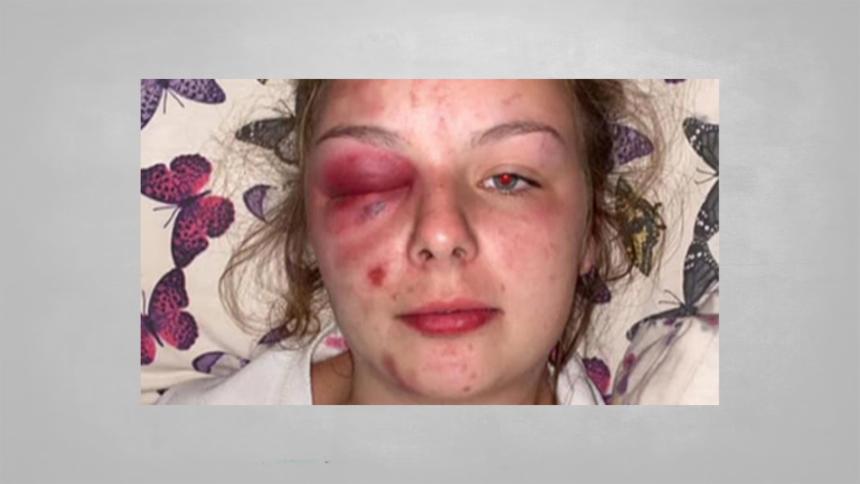
In May 2020, 22-year-old Ellie Williams posted horrifying photos on Facebook of herself covered in cuts and bruises. But what had happened to her? Ellie alleged that she had been the victim of years of abuse, rape and sex trafficking at the hands of a group from her hometown of Barrow-in-Furness.
But was this true? What followed was one of the most extensive investigations Cumbria Police had undertaken in years – and what they found would turn the case entirely on its head.
Crime+Investigation examines one of the most divisive criminal cases in recent British history – what happened, what the courts concluded, and the questions that continue to surround it.
That Facebook post
The viral post spread at extraordinary speed. Thousands shared it across social media. Public anger grew almost overnight, protests were organised and the case became a national talking point. Many believed a major grooming gang had been uncovered.
Williams' social media post contained graphic photographs and serious accusations against several named and unnamed men.

The 22-year-old claimed she had been repeatedly abused over several years and trafficked by a grooming gang operating in Barrow. The allegations quickly attracted widespread attention, with many people demanding justice before any criminal investigation had concluded.
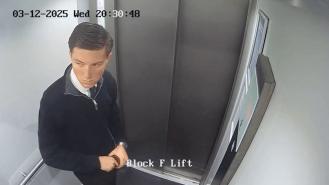
Cumbria Police launched an extensive inquiry, examining thousands of pieces of evidence including CCTV footage, phone records, witness statements and forensic evidence.
As detectives worked through the material, inconsistencies began to emerge. Rather than finding evidence to support Williams' account, investigators discovered that many of her claims could not be substantiated. In some instances, they were directly contradicted by digital evidence and CCTV recordings.
How the investigation unravelled Williams' account
One of the most shocking discoveries involved Williams' injuries. Medical experts concluded that many of the wounds shown in the viral Facebook photographs had been self-inflicted. Investigators also found that some of Ellie’s injuries had been caused by using everyday objects.
Police spent almost two years examining every aspect of the case. By the end of the investigation, they concluded there was no evidence that Williams had been groomed or trafficked in the way she claimed.

Instead, they found that innocent men had been falsely accused of some of the most serious crimes imaginable. Some lost jobs. Others received death threats. Families found themselves at the centre of intense public hostility despite having committed no offence.
When the case reached court, prosecutors described Williams' actions as one of the most serious examples of perverting the course of justice seen in recent years. She was convicted in 2023 and sentenced to eight and a half years in prison
A town left divided
Although the criminal trial answered many legal questions, it did not heal the damage left behind.
The case created lasting divisions within Barrow. Trust between parts of the community and public authorities was badly shaken, while the innocent men wrongly accused faced the difficult task of rebuilding their lives after years under suspicion.
At the same time, the case became a focal point for wider debates about false allegations, social media and how quickly public opinion can form before all the facts are known.
For many, it appeared to be a closed chapter. But others believed important questions had never been fully explored. Was there any truth in Ellie Williams’ allegations?
A case that raises difficult questions
The legal outcome of the Ellie Williams case is not in dispute. A jury found that she had made false allegations and deliberately framed innocent men. Those convictions remain in place.
Some people’s questions explore whether one extraordinary criminal case distracted attention from a separate problem that may have existed alongside it. They also consider how institutions respond when cases become politically charged and whether genuine victims can sometimes be overlooked amid competing narratives.
More than six years after Williams' Facebook post first went viral, the case continues to provoke strong emotions.
For more on the cases that have divided communities and sparked national debate, sign up to the Crime+Investigation newsletter. Every week, you'll receive the latest articles, episodes and more from C+I delivered straight to your inbox.