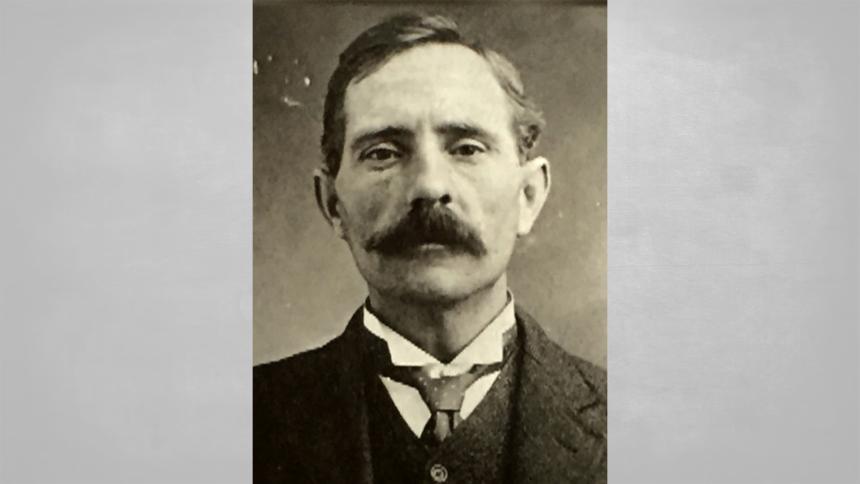
The Brides in the Bath: Who was George Joseph Smith?
George Joseph Smith seemed to have the worst luck with wives. All three of his spouses died unexpectedly in the bath, under similar circumstances. Was this just a case of coincidence, or did Smith murder them?
In Victorian and Edwardian Britain, a woman dying unexpectedly in her bath might have been seen as a tragic accident. But what if three women died in almost identical ways?
That was the extraordinary discovery that eventually exposed George Joseph Smith, a serial fraudster and killer whose crimes became known as the ‘Brides in the Bath’ murders. Crime+Investigation examines the crimes that made Smith one of Britain's most notorious killers – and the pioneering forensic pathology that finally brought him to justice.
Behind the scenes
Between 1912 and 1914, three women who had married Smith were found drowned in bathtubs. At first, their deaths appeared accidental. There were no obvious signs of violence and no witnesses to suggest anything sinister had happened.
But, looking back, the similarities were just too strange to ignore.

Secretly, Smith had been carefully manipulating his victims. He married women under different names, isolated them from their families and positioned himself to benefit financially from their deaths.
It was a pattern that would eventually make him one of the most infamous killers in British criminal history.
Who was George Joseph Smith?
Long before Smith became a renowned murderer, he was a professional conman and bigamist.
George Joseph Smith married at least eight women, often using aliases, and exploited them for money. His victims were frequently persuaded to make financial arrangements that benefited him, including wills and life insurance policies.
He was described by those around him as persuasive and charming, with a convincing manner that allowed him to move from one relationship to the next without immediately attracting suspicion.
His criminal method was simple. Smith would marry a woman, move her somewhere she knew nobody, and then arrange circumstances in which her death could appear entirely natural.
But the serial killer’s downfall began when three of those supposedly accidental deaths were placed side by side.
A series of suspicious deaths
In 1912, the conman married Bessie Mundy. Not long afterwards, she was found dead in a bath in circumstances that initially suggested an accident. But there was an important detail that would prove significant later. Bessie had made a will in Smith's favour.
Her death was not immediately treated as murder, and Smith moved on. The following year, another woman he married would sadly suffer almost the same fate as Mundy.
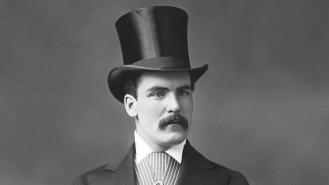
Then in 1913, he married Alice Burnham. Once again, the relationship was accompanied by financial arrangements that stood to benefit him. Alice made a will that benefited Smith and took out a life insurance policy naming him as the beneficiary.
She was also found drowned in a bath. Once again, he appeared to be the unfortunate husband who had lost his wife. Two women dying in bathtubs was certainly strange, but it was not yet enough to prove murder. Until the third death came.
A deadly pattern of the Brides in the Bath
In 1914, Smith married Margaret Elizabeth Lofty. The circumstances were very familiar. Smith took Margaret to a doctor after she complained of a headache. She was then found drowned in a bath the following day.
As with his previous wives, Smith stood to gain financially from her death. This time, however, the similarities caught someone's attention.
A report on Margaret's inquest was published in the News of the World. When Alice Burnham's father read the account, he recognised similarities to his daughter's death. He contacted the police. Suddenly, three seemingly unrelated tragedies began to look like parts of the same story.
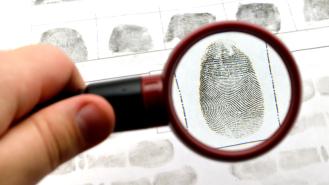
How could investigators prove they were murdered and it wasn’t a tragic accident?
This is where Dr Bernard Spilsbury, one of Britain's leading forensic pathologists, became crucial.
Spilsbury examined the circumstances surrounding the deaths and proposed a disturbing explanation. He believed Smith could have suddenly pulled a woman's legs towards the end of the bath, causing her body to slide downwards and her head to disappear beneath the water. This experiment helped when the case went to trial.
Trial and arrest
Evidence relating to the deaths of Alice Burnham and Margaret Lofty was presented to demonstrate a striking pattern. The prosecution argued that it was too much of a coincidence that three women who had married the same man, made financial arrangements benefiting him, and subsequently drowned in baths had died accidentally.
It was a controversial but hugely important use of what became known as ‘similar fact evidence'. The jury accepted the argument.
On 1st July 1915, Smith was found guilty of Bessie's murder and sentenced to death. He was hanged at Maidstone Prison on 13th August, aged 43.
For more on the landmark cases that shaped British criminal law and forensic science, sign up to the Crime+Investigation newsletter. Every week, you'll receive the latest articles, episodes and more from C+I delivered straight to your inbox.