Interview with Ross Kemp: ‘We need to understand why young men turn to misogynistic violence’
Ross Kemp: Lost Boys, Deadly MenThe UK is facing a national emergency. Crimes against women are increasing, with statistics revealing that violent crimes related to women have grown by a staggering 37% between 2018 and 2023.
Globally, the problem is even more stark. More than 50,000 women and girls are killed every year by a partner or close relative, an average of 140 a day. The grim statistics and numerous high-profile cases have resulted in a growing urgency to understand and combat the problem of male violence and misogyny.
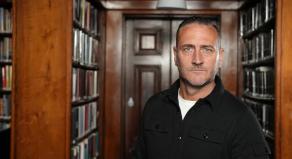
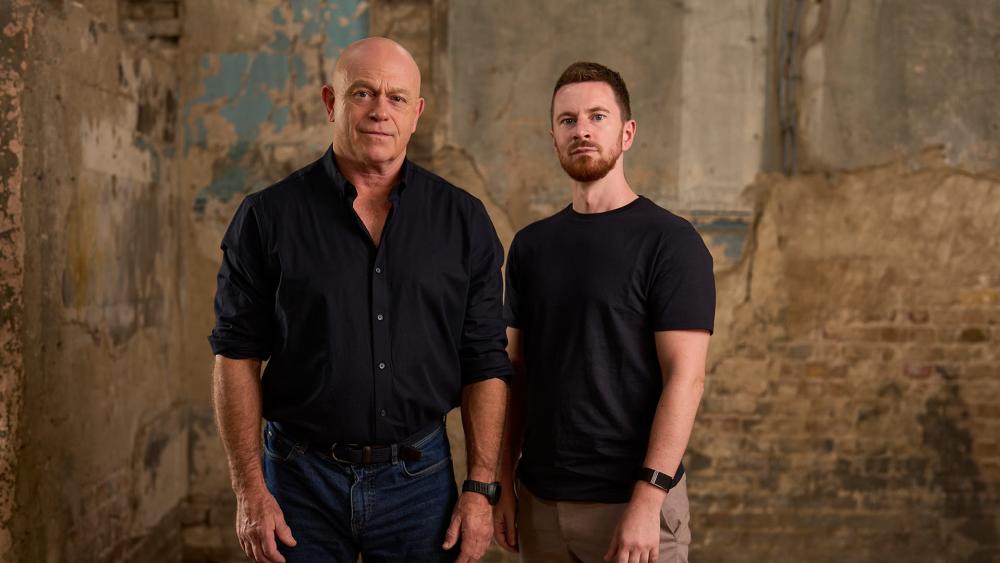
And it’s an issue that’s important to Ross Kemp, a father of two young boys and young twin girls. Often described as a ‘macho man’ from his TV work, he has now teamed up with Crime+Investigation to discover more in an exclusive five-part documentary, Ross Kemp: Lost Boys, Deadly Men.
'We need to understand the reason young men turn to misogynistic violence,' he says.
Before Lost Boys, Deadly Men starts Monday 2nd March on Crime+Investigation, we sat down with Ross to discuss the documentary and his findings in more detail.
A misunderstood topic
In recent years, the UK has witnessed a spate of horrific crimes against young women. Cases such as Plymouth shooter Jake Davison, the Hunt family killer Kyle Clifford and Bournemouth beach murderer Nasen Saadi are brutal reminders of the extent of the problem.
But it’s not just isolated to the UK – there are similar examples abroad, too. In 2014, Elliot Rodger murdered six people in Isla Vista, California in a case that sent shockwaves throughout the United States. The Rodger case received significant media attention in part due to a series of disturbing videos the perpetrator shared online before his killings.
Each of these stories is explored in detail in Lost Boys, Deadly Men. Throughout the series, Ross tries to answer a complex question: what turned these seemingly normal individuals into killers?
'It's such a sensitive subject, but I think it has been open to so much misinterpretation and misunderstanding, not only by the media but also by some politicians and people who claim to be experts. That and the appalling rise in violence against women and girls are the fundamental reasons for making this series. I wanted to understand the reasons why we have reached this point and if there are any ways we can move forward to fix it,' he says.
One popular theory is ‘incel culture’, a term that has become increasingly widespread throughout the last decade. ‘Incel’, otherwise known as ‘involuntary celibate’, has often been used in the media to describe young men who commit violent crimes against women.

As Ross explains, he had preconceived ideas about what an incel was before making the documentary.
'I think the majority of us would have assumed from most media that every incel is white, right-leaning, working to middle class with a violent misogynist background. Somebody with resentment towards their mothers and sisters or someone rejected romantically by women.'
'I got it wrong in terms of my opinions about them and their numbers.'
In the documentary, he speaks to experts including William Costello from the University of Texas and Dr Andrew Thomas from Swansea University. A surprising stat comes through Costello’s research, which estimates that there are only between 7-15 ‘killer incels’ worldwide.
Kemp now believes that incels are rarely violent, and the label is inaccurately used to fuel panic.
'More often than not, incels live in fear,' he says. 'They live in fear of being found out and exposed. They think that everybody finds them repulsive to look at and they stick to their bedrooms.'
'There's a moral panic around the media’s portrayal of fictional and real incels. People are trying to blame complex issues on one thing and moving on immediately.'
Seeking answers
The five cases featured in Lost Boys, Deadly Men are deeply shocking. They’re stories of young men whose hatred of women leaves families torn apart, but as Kemp learns, understanding how they reached that point is a complex topic.
'Every murder was driven by misogyny; however, no clear pattern could be drawn simply by that as a motive. There were so many different things; mental health issues, overexposure and addiction to certain websites, a lot of rejection in their lives, severe insecurity, and a deep obsession with their looks.'
To dive deeper, Kemp speaks to several anonymous individuals who identify as incels. In one poignant moment, he interviews "Ian" and shows kindness to an individual whom others might have been judgmental of.
'I wasn’t there to judge him. I wanted to find out why he feels the way he does and in turn, help other people to understand,' he says.
'To say I felt sympathy for a misogynist is not the right way of putting it, they're just not living in a world that I can understand, and I wanted to find out the reasons for what he felt about the world around him. When it comes to violence, he was saying that as a community, incels are more interested in killing themselves than others because they think that they're not worthy of living.'
In a later episode, Kemp investigates ‘looksmaxxing’. He meets "Jason", a young man prepared to undergo a highly dangerous operation to gain an extra three inches in height. The conversation highlights the extreme lengths that an increasing number of young men are going to just to get noticed.
'Jason was a week away from the operation. There was no dissuading him, but I reiterated the dangers of what he wanted to do. He was doing it to be three inches taller, not even reaching the six-foot mark that’s so important to him and women he saw on dating sites. He said, "I don't care."'
Meeting the victims of misogynistic violence
In July 2024, Kyle Clifford murdered three women from the same family. Clifford, who had previously been in a relationship with Louise Hunt, travelled to her family home in Bushey, Hertfordshire, before killing Louise, her mother Carol and older sister Hannah.
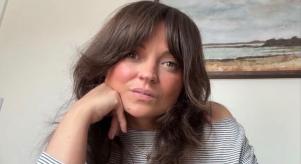
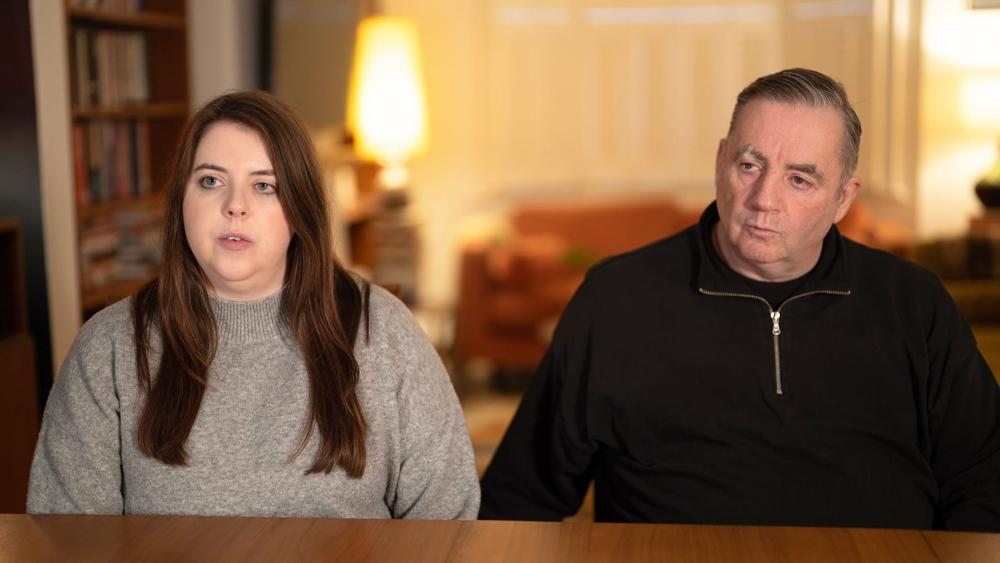
The story is one of the most disturbing cases of misogynistic violence in recent criminal history, and is featured in the second episode of Lost Boys, Deadly Men. In it, Ross meets with John and Amy Hunt, Louise's father and sister, who speak candidly about their belief that more needs to be done to address the issue of violent male attacks.
The meeting left a lasting impact on Ross, who was struck by the pair’s incredible bravery and honesty in the face of such devastating loss.
'Amy and John are extraordinarily brave and intelligent. They want the message to get out there that what they're going through shouldn't happen again,' he says. 'There needs to be certain changes made. The more aware you make people of a problem, the more likely they are to understand it and then spot the warning signs in themselves or in others before it’s too late.'
As Kemp explains, one of the most troubling aspects of the Clifford case was the media’s focus on the perpetrator's actions, rather than the motive for his crimes.
'He was dubbed the "crossbow killer" with the media concentrating on the weapon that he used, the fact that he watched an Andrew Tate video two days before he committed the murders, but not why he did it. What were the reasons? What was going on in his head? Where was he mentally?'
'He had great issues with rejection, but he was also trying to date other girls at the time, so why did he do it? Only he could answer that question.'
Watch Ross Kemp: Lost Boys, Deadly Men on Crime+Investigation
For Ross, making Lost Boys, Deadly Men was an eye-opening experience. One of the most shocking moments, he says, was learning that children and adults anonymously reported experiences linked to rape culture in 1,600 primary schools in 2025.
'I was so unaware at the beginning of the series about the levels of misogyny and the sheer amount of violence committed against women in the UK,' he explains.
He hopes the documentary will spark meaningful action, but ultimately believes it highlights how much further there is to go in confronting this national emergency.
'There’s not enough being done to solve the issue of why men are harming women, and there are a lot of young men out there who are confused about what the role of a man should be.'
'We need to look at this in the long term because ultimately, women are being assaulted or killed and we need to understand why in order to stop it.'
Watch Lost Boys, Deadly Men exclusively on Crime+Investigation from Monday 2nd March at 9pm. Want to hear about more upcoming series and documentaries from C+I? Sign up to the Crime+Investigation newsletter today. Every week, you’ll receive news, stories and updates delivered directly to your inbox.