Jake Davison and the Plymouth shootings
Ross Kemp: Lost Boys, Deadly MenIt’s impossible to comprehend how one minute you could be walking the dog or shopping and the next you could come face-to-face with a killer.
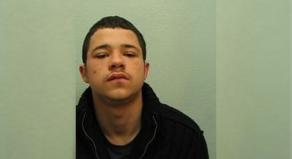
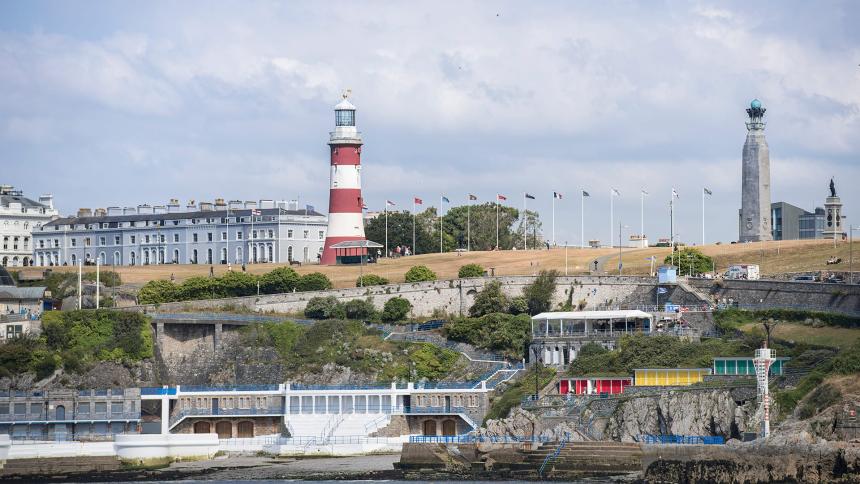
But this was the tragic reality for five people in August 2021, including a three-year-old girl, who were shot dead in Plymouth by 22-year-old Jake Davison. His rampage shocked the UK and raised important questions about police failings and the availability of firearms.
We take a closer look at the Plymouth shootings in the new docuseries Ross Kemp: Lost Boys, Deadly Men, coming soon to Crime+Investigation. The show explores how underlying issues such as mental health, loneliness, identity and masculinity can drive young men to extreme violence. Join the Crime+Investigation team as they unpack the case in more detail.
The Plymouth shootings
It was a warm, sunny evening in Keyham on 12th August 2021, and many residents were enjoying the longer days. It should have been unremarkable, but 22-year-old Jake Davison was about to start a rampage of unimaginable cruelty.
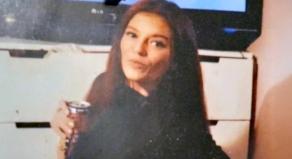
Davison lived with his 51-year-old mother, Maxine, on Biddick Drive in Plymouth. At around 6:05pm, she called her sister, claiming that Davison had grabbed her by the throat and locked her in a bedroom. Her sister immediately dialled 999 to report the incident. Minutes later, Davison shot Maxine dead with a legally-owned pump-action shotgun.
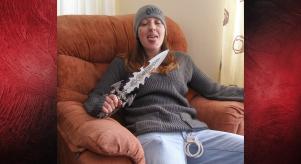
After murdering his mum, Davison left the house and opened fire. He shot and killed 43-year-old Lee Martyn and his three-year-old daughter, Sophie. Lee was walking the family dog while Sophie was pushing her teddy bear in a pram.
Davison then fired through a neighbour’s front door, seriously injuring a 53-year-old woman and her 33-year-old son. He continued towards a nearby park, where he shot and killed 59-year-old Stephen Washington. At this point, several members of the public alerted Devon and Cornwall Police.
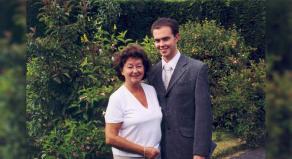
Davison continued to walk down Royal Navy Avenue towards Henderson Place, where he shot and killed 66-year-old artist Kate Shepherd.
When armed officers arrived at the scene, Davison shot and killed himself. It was 6:23pm. In just under 20 minutes, five people had been murdered, and countless lives changed forever.
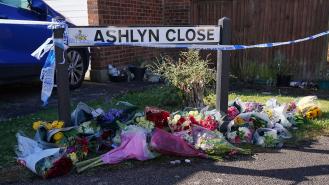
Missed opportunities
Due to the brutality of the shootings, attention soon turned to Davison’s past. People wanted to know how this could have happened and whether he had a history of violence.
Davison was already known to the police. Years prior, in 2016, Maxine had raised concerns with Career South West about her son’s fixation with firearms.
Davison held a legal shotgun license up until September 2020, when it was revoked following an assault and concerns about his mental health. Despite this, his license was reinstated in July 2021, just one month before the shootings. Police later acknowledged the decision was based on incomplete checks.
After receiving the report, Career South West passed the information on to the government’s counter-terrorism Prevent programme. However, officials stated that there wasn’t enough evidence to warrant further investigation.
Davison’s behaviour continued to deteriorate in the months leading up to the shootings. Investigators found he had been researching misogynistic and violent content online, including incel forums, serial killers and suicides.
Motives and mental state
Davison’s online history provided investigators with insight into his motives and mental state. It was clear he was unwell, and his feelings of dejection and rage were only amplified by the extreme content he was viewing. He was also involved in incel forums.
On the day of the murder, he researched why incels felt the need to end their own lives. A few months earlier, he filmed a video about his lack of success on dating apps. Rather than seek help, he fell further down the rabbit hole.
In Ross Kemp: Lost Boys, Deadly Men, Kemp examines the common factors that contribute to extreme violence among young men. He doesn’t justify the perpetrators' behaviour, but rather identifies patterns to understand how similar attacks might be prevented in the future.
The aftermath
As Davison committed suicide, there was little justice for the victims. In many ways, he robbed them of a fair trial and left them with more questions than answers. Investigators acknowledged they had underestimated the impact of online radicalisation on Davison, and admitted they missed key red flags in the case.
On 15th August 2021, the government also announced it would require police to investigate social media posts of all firearms applicants and holders. The new guidance prompted a nationwide review of current firearm licences in the UK.
For more true crime like the Plymouth shootings, sign up for the Crime+Investigation newsletter. We’ll send you breaking stories, brand-new episodes, competitions and more, completely for free.