John Worboys: London’s black cab predator
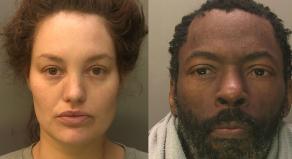
On the surface, John Worboys appeared just another London cabbie – knowledgeable, reliable and trustworthy. However, when he was behind the wheel of his black cab, it was a very different story. The London driver spent years exploiting his position of trust by targeting, attacking and raping hundreds of vulnerable women who trusted him to take them where they needed to go.
The story of John Worboys isn’t just about his horrific list of acts. It’s also about serious police failings and a bitter public fight over his attempt to gain parole. The case is a stark reminder that predatory behaviour can go unnoticed when the system fails.
Join Crime+Investigation as we profile John Worboys and explore how he evaded capture for so long, police failings and survivor advocacy. The case is currently the subject of new ITV drama Believe Me.
A sinister journey
Warboys’ sinister spree was first disclosed in the early 2000s when several women began reporting disturbing incidents in London. They described what they thought were isolated assaults after being picked up in black cabs late at night. At first, police treated these as separate events without connecting them.
Many women were intoxicated or unsure of what happened because the perpetrator often slipped them drugs. These drugs left the victims disoriented or unconscious. In several cases, the women regained consciousness with little memory of the assault and no confidence that anyone would take them seriously.

As more reports came in, a pattern began to take shape. The common thread was a black cab driver. Investigators eventually traced these reports back to John Worboys. It was only then that the full extent of his behaviour became clear.
What first seemed like isolated assaults were revealed as a calculated series of attacks spread out over the years.
Operating without detection
The sinister black cab driver’s ability to operate without detection for so long was partly because of how he chose his victims. He tended to pick women who were alone late at night. Many were social drinkers leaving clubs or bars. Some were young students running errands or heading home. Because they were often in vulnerable states, their accounts of the assaults were sometimes fragmented and confusing. They mistook drug effects for alcohol, or assumed the offensive behaviour was part of a rough night, not a crime.
Another reason Warboys got away with his crimes for so long, was how early reports were handled. Some complaints were dismissed or treated too casually. Instead of seeing a pattern, police sometimes looked at individual accounts as standalone incidents.
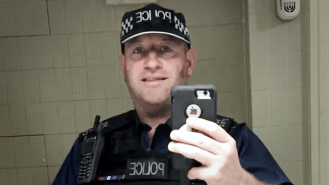
It took time for investigators to see the bigger picture. Once they did, they began connecting reports that spanned months. Former victims were interviewed again. Evidence was gathered. And eventually, the common link emerged. The suspect was a licensed London cab driver whose appearance and demeanour allowed him to blend into the background.
Arrest, trial and conviction
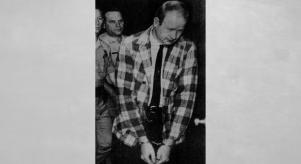
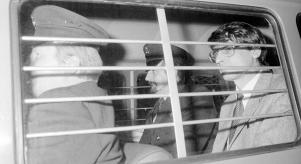
John Worboys was finally arrested in February 2008, a full four years after the first linked reports. He was charged with multiple counts of sexual assault and rape. Testimony during his trial revealed the terrifying pattern and the way he chose his victims.
At court, evidence showed that he would give some victims drinks that were laced with sedatives. Women described waking up in unfamiliar places, unsure of how they got there. For some, the sense of violation was so confusing that they struggled to articulate it. Others had clearer memories but were uncertain they would be listened to.

In 2009, Worboys was convicted. The court handed down an indeterminate sentence for public protection with a minimum of eight years. He also received a shorter concurrent sentence for administering a noxious substance.
Public outcry
But the story didn’t stop there. Once Worboys was in custody, the survivors didn’t simply disappear from the story. Instead, many became vocal advocates. They spoke publicly about how they were treated when they first came forward. They described a culture where women’s accounts of sexual assault were too easily dismissed.
Some recalled being told that their experiences did not meet the legal threshold for police action. Others were met with scepticism.
In 2018, Warboys became eligible for parole and was initially granted release. However, the government intervened and referred the decision to the High Court. The public’s reaction and petitions played a big part in reversing the parole board’s decision.
Love true crime? Stay in the know with the Crime+Investigation Newsletter! Get exclusive access to new articles, episodes, clips, competitions, and more – delivered weekly and completely free. Don't miss out – sign up today!