The Lady: Who was Jane Andrews?
The story of Sarah Ferguson’s dresser, Jane Andrews, continues to fascinate and disturb those who hear it. Once a glamorous figure moving in royal circles, Andrews stunned the British public with her shocking and murderous fall from grace.
Her relationships with members of the royal family, and her eventual conviction for murder, chart a path that feels almost like a good holiday read. But it’s sadly non-fiction.
Join us at Crime+Investigation as we delve into the stylish world of Fergie’s former dresser and convicted killer, Jane Andrews. Discover her toxic relationships and how she went from rolling in social circles to a convicted killer.
A foot in the door
Jane Andrews was not born into royalty. Instead, her early life was a stark contrast to the world she later became accustomed to. Andrews grew up in conventional surroundings in Grimsby, but carried herself with a confidence that opened doors.

Her life changed dramatically when she saw a job listing for a dresser, leading her to work for Sarah, Duchess of York. It was a privileged position that came with status and access most could only imagine. For a time, it seemed Jane had everything. She had youth, beauty and a job that put her close to the glamour of the British royal family.
From the outset, Jane’s new life was brimming with possibility. But beneath the surface there were vulnerabilities and insecurities that would later make headlines for not-so-glamourous reasons.
Relationships turned toxic
After her first marriage failed, Jane’s life took another dramatic turn when she met Tom Cressman. He was a British Army officer, and their relationship was intense from the start. They were often described as magnetic together. In public, they appeared affectionate and devoted. But behind closed doors, their bond was far more complicated.
Friends and acquaintances later described the pairing as volatile. Jealousy and possessiveness were recurring themes. Jane’s feelings for Cressman were strong, but his responses were unpredictable. The intensity that had drawn them together also created a pressure cooker of emotions.

For Jane, the fear of losing Cressman seemed to grow over time. The prospect of separation became unbearable to her. As their relationship deteriorated, her sense of control slipped. The brighter her life had seemed, the darker her emotional struggles became.
As for Jane Andrews and Sarah Ferguson’s friendship? According to sources, the pair got on extremely well, and Andrews was in Fergie’s close-knit circle. She travelled with the ex-duchess, and they became firm friends.
It wasn’t to last, however. Their relationship deteriorated in 1997, when Andrews was made redundant. Her downward spiral continued from there.
The murder of Tom Cressman
In 2000, after a holiday on the French Riviera, Jane Andrews stabbed Tom Cressman to death in a hotel room. The violence of the act shocked the nation. People struggled to reconcile the glamorous persona that had once frequented royal functions with the woman now accused of murder. Cressman’s death was not random. Cressman wouldn’t commit to Jane or promise her the life she wanted.
Once they returned to London from their holiday, the couple got into a heated exchange. The argument was so bad, Cressman called the police. After Thomas fell asleep, Jane Andrews took a cricket bat and hit him, before stabbing him in the chest and killing him.

After the tragic murder, Jane went missing. The former stylist tried to cover her tracks by texting friends asking after Thomas. She wanted to create an illusion of innocence. However, she was found unconscious in her car in Cornwall after taking an overdose. Although she survived this suicide attempt, Andrews was later charged with the murder of Thomas Cressman.
Trial and conviction
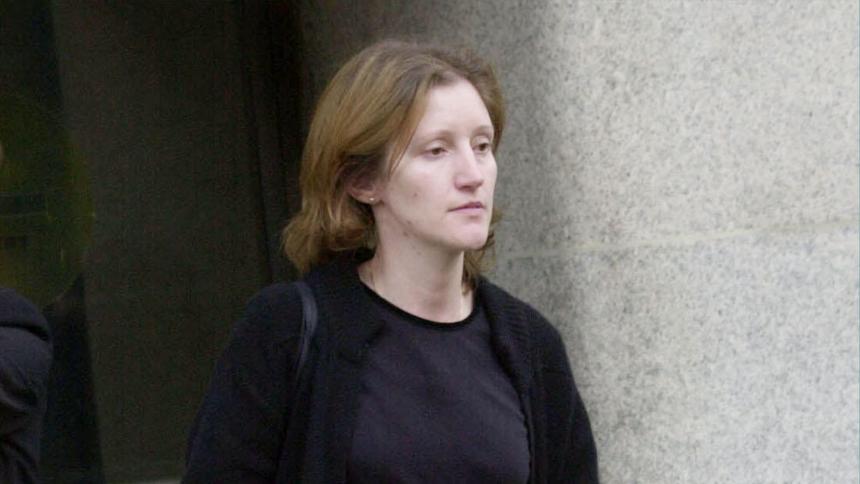
From the moment of her arrest, the trial was a media event. Jane Andrews was not a typical defendant, and as she had spent many years close to royalty, the trial had an extra level of public interest.
At trial, Jane’s legal team argued that she had acted in a moment of emotional crisis and that Cressman had been abusive. They painted a picture of a woman overwhelmed by fear, despair and heartbreak. Prosecutors, however, focused on the premeditation and the deadly outcome.
In the end, the jury convicted her of murder. The sentence was life in prison with a minimum term of at least 15 years, although this was later reduced by three years following an appeal. Andrews was released from prison in 2015.
Love true crime? Stay in the know with the Crime+Investigation newsletter! Get exclusive access to new articles, episodes, clips, competitions, and more, delivered weekly and completely free. Don't miss out, sign up today!