Rachel Wade and the murder of Sarah Ludemann
Interview With A KillerThe murder of Sarah Ludemann is one of those cases that feels both shocking and preventable. It wasn’t about gangs, money or long-standing grudges. It was about jealousy, heartbreak and a rivalry that spiralled completely out of control.
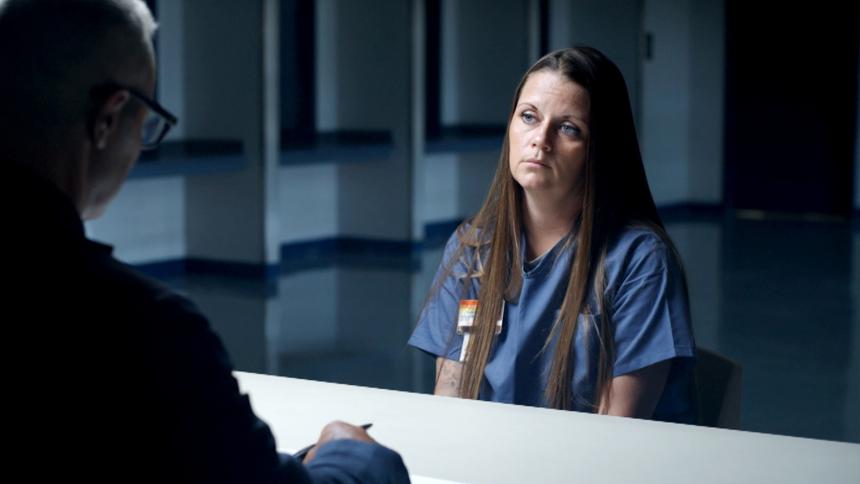
This is the story of how a toxic teenage love triangle turned into tragedy, transforming Rachel Wade from an ordinary young woman into a convicted killer. This case features in the new season of the Crime+Investigation series Interview With a Killer.
A love triangle turns toxic
In 2009, 18-year-old Sarah Ludemann and 19-year-old Rachel Wade were both involved with the same man, Joshua Camacho. It could have stayed as a normal, messy breakup situation but quickly turned into something much darker.
The two young women became obsessed with each other. They exchanged angry messages, insults and threats, in person and online. Friends and witnesses later described the situation as constant drama, with tensions building for months.
It became personal, it wasn’t just jealousy anymore. They saw each other as a rival who needed to be confronted. Neither was willing to back down.
Before the attack
As time went on, the arguments became more aggressive. There were reports of phone calls filled with shouting and threats. At one point, Rachel Wade even left voicemails that suggested she wanted to kill Sarah.
But instead of avoiding each other, they kept crossing paths, the conflict getting more intense every time they were together. The situation had gone far beyond normal teenage conflict.
The night everything changed
On 14th April 2009, everything came to a head. That night, Rachel Wade took a kitchen knife and headed out. This detail would later become crucial in court.
She found Sarah Ludemann outside a house in Pinellas Park, Florida. What exactly happened in those first moments is still debated. Wade claimed that Sarah approached her aggressively and that she acted in self-defence.
But witnesses said that it was the opposite and it was Wade who confronted Sarah.
Rachel Wade stabbed Sarah multiple times, and one of those wounds pierced her heart. Despite her injuries, Sarah was able to call for help. But it wasn’t enough and she died shortly after in hospital.
In a chilling detail that stuck with jurors, witnesses said Wade calmly said, 'I’m done,' after the attack.
More than just jealousy
Jealousy was at the centre of this case, but it wasn’t the whole story. It was about obsession, emotional instability and months of built-up anger. Social media had made it worse, giving both women a way to keep the conflict alive 24/7.
By the time of the stabbing, the situation had obviously reached a breaking point. Prosecutors argued that bringing a knife showed Wade intended to hurt or kill Sarah. It wasn’t a sudden act of fear. It was a decision.

Two very different stories
When Rachel Wade went on trial in 2010, the courtroom focused on one thing: was this self-defence or murder?
The defence argued that Wade was scared for her life and had no choice but to protect herself.
But the prosecution pushed back hard. They had voicemails, threats and witness testimony showing that Wade had a history of aggressive behaviour toward Sarah. The fact that Wade brought a knife with her became one of the strongest points against her and in the end, the jury didn’t take long to decide.
After just a few hours of deliberation, Rachel Wade was found guilty of second-degree murder.
The sentence and aftermath
Later that year, Wade was sentenced to 27 years in prison. She still claims she acted in self-defence, but her appeals have failed and she remains behind bars.
For Sarah Ludemann’s family, their loss was devastating. Her young life was cut short over a situation that, in hindsight, could have been avoided.
Why this case still matters
The case of Rachel Wade and Sarah Ludemann is often featured in true crime shows like Interview With a Killer. Mainly because it feels so real and so close to everyday life.
There were no complicated criminal networks or hidden motives. Just emotions that got out of control. And that’s what makes this case so unsettling. It didn’t have to happen.
Obsessed with true crime? Stay one step ahead with the Crime+Investigation newsletter. Get exclusive access to new articles, episodes, clips, competitions and more. Delivered straight to your inbox each week, completely free.