Kate Johnson: Murder at the University of Portland
Spring Break MurdersWhen Kate Johnson moved into Mehling Hall on the University of Portland campus, no one would’ve thought that a dormitory would become the scene of something unimaginable. However, on a quiet spring morning in 2001, something had gone terribly, terribly wrong.
Kate had just begun working with the university’s volunteer office and was managing the dormitory during a quiet summer session when the student was brutally murdered. Join Crime+Investigation as we dive into the horrific murder of Kate Johnson and the impact her death had on the community. Her murder is covered in the new series of Spring Break Murders, starting Tuesday, 10th March at 10pm on Crime+Investigation.

Who was Kate Johnson?
Catherine Mary Helene 'Kate' Johnson was a bright 21-year-old junior at the University of Portland in Oregon, known to friends and family as someone genuinely devoted to community and service.
She grew up in Vancouver, Washington, and was a music-education major who dreamed of one day teaching band in high school.
Her friends described her as 'warm, talented and full of promise'. Kate was deeply involved in campus life and was so close to graduating when her life was tragically cut short.

Discovered in her dorm room
On 29th May 2001, Kate’s body was discovered in her dorm room in Mehling Hall. It was a day that shattered the sense of safety on campus and shocked the entire University of Portland community.
Her death was tragic and violent. Medical examiners reported that she had been sexually assaulted and strangled. There was no obvious sign of forced entry into the dorm, raising troubling questions about how the killer gained access.
Investigators scoured her room for clues. DNA evidence was collected from a pillowcase and other areas, and the crime scene became the focal point of an intense investigation. Because classes had been over for a month and Mehling Hall was mostly empty, many students struggled to make sense of how something so savage could happen in such a normally safe environment.

Slow progress
But who killed Kate? In the early days after the murder, there wasn’t much information to go by. University officials and police remained tight-lipped about the case’s progress, which only deepened anguish and anxiety among students and staff.
People’s trust in campus safety was tested, and frustration grew over what many felt was overly cautious or even secretive communication about threats and risks.
Complicating matters even further, police records later revealed that, just two months before Kate’s murder, Mehling Hall had been burgled multiple times during spring break, with no signs of forced entry and items stolen from rooms. That raised the frightening possibility that someone with knowledge of campus routines had repeatedly accessed the building without being stopped.
Police followed traditional investigative paths, including reviewing electronic ID card logs to see who might have entered Mehling before the murder, but early leads proved unhelpful. The case dragged on for months, and as time passed without answers, students and parents grew uneasy about campus safety.

A suspect in question
The breakthrough in the case came from forensic evidence. Investigators gathered DNA samples from people who had contact with Kate or frequented the campus during the relevant period.
One of those people was Deniz Cinar Aydiner, a Turkish national who had studied at the university and knew Kate. In February 2003, Aydiner provided a DNA sample that investigators hoped would match the crime scene evidence.
By June of that year, the DNA taken from Kate’s dorm room, including saliva found on a pillowcase, matched Aydiner’s DNA profile. At that point, police quickly sought to arrest him, only to discover that he had already left the United States and returned to Turkey after his visa expired.
Law enforcement worked with federal immigration and Homeland Security officials to secure a visa that would allow Aydiner to re-enter the U.S. without knowing he would be arrested on arrival. On 16th January 2004, he landed in Portland and was immediately taken into custody.
The aftermath
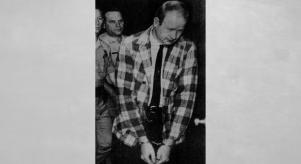
In February 2006, Aydiner pleaded no contest to multiple counts, including aggravated murder, rape, attempted rape and burglary. He was sentenced to life in prison with the possibility of parole after 37 years. The plea agreement also included conditions that, if he were eventually released, he would be deported to Turkey and would never be permitted to remain in the United States.
Love true crime? Stay in the know with the Crime+Investigation newsletter! Get exclusive access to new articles, episodes, clips, competitions, and more – delivered weekly and completely free. Don't miss out – sign up today!