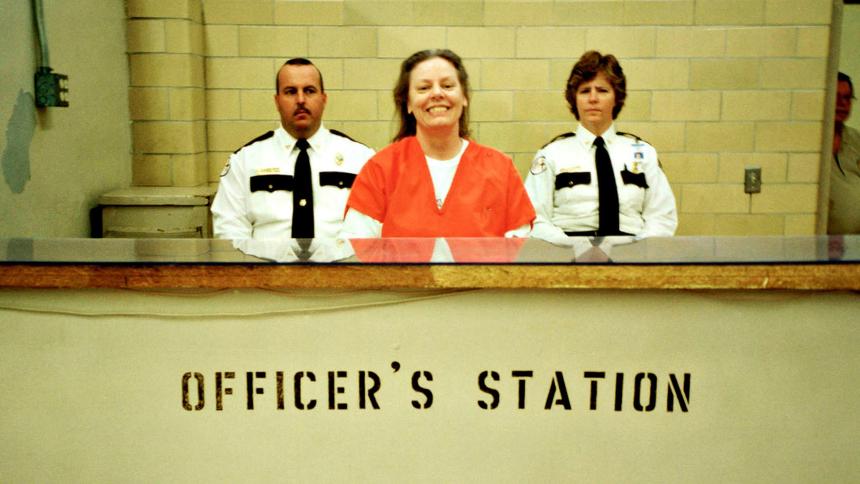
The unlikely adoption of Aileen Wuornos: Who is Arlene Pralle?
Some true stories are not just about what happened, but also about the relationships that formed. The connection between Arlene Pralle and Aileen Wuornos is one of those stories. It was unexpected, difficult to define and shaped by belief as much as by circumstance.
By early 1991, Aileen Wuornos was already one of the best-known criminal cases in the United States. Arrested for the murders of seven men in Florida, she was awaiting trial and facing intense media scrutiny. Her life had been marked by instability long before that moment, shaped by abandonment and trauma.
Join Crime+Investigation as we delve into Arlene Pralle’s life and her immediate connection to serial killer Aileen Wuornos.
Faith at first contact
The first contact came in the form of a letter written to Wuornos while she was in prison. It was a simple offer of friendship and support, but it marked the beginning of a relationship that would quickly grow. Wuornos responded, and what followed was a steady exchange of letters that soon developed into regular phone calls and visits.
Over time, the connection between the two women grew closer. Pralle spoke to Wuornos daily, spending thousands on phone calls and making frequent trips to visit her in jail. For someone who had experienced a deeply fractured upbringing, this level of consistent attention may have felt unfamiliar.
For Pralle, the relationship was rooted in faith. She believed she had been called to support Wuornos, regardless of the accusations against her. She even recalled telling Wuornos that she did not care whether she was guilty or innocent, only that she wanted to be there for her.
There was a sense, at least in those early stages, that both women found in each other what they had been missing: connection, validation, and a form of emotional stability, however unusual the circumstances.

The decision to adopt
Later that same year, the relationship took a step that surprised everyone following the case. Arlene Pralle and her husband decided to legally adopt Wuornos, who was 35 years old and already incarcerated. Pralle herself was just 44, creating an age gap of only 11 years between mother and daughter.
The adoption, finalised in November 1991, was not about building a conventional family life. Instead, it was symbolic. It was an attempt to give Wuornos a sense of belonging.
Pralle explained that the decision came from a desire to show Wuornos what it felt like to have a family that genuinely cared about her. Having been adopted herself and unable to have children, she framed the act as both personal and compassionate.
At the same time, she maintained a strong belief in Wuornos’ humanity, often describing her in warm terms and focusing on the person she saw beyond the headlines. She spoke about her kindness and insisted that, regardless of the charges, she deserved support and connection.

A bond under pressure
As Wuornos’ trial moved forward and the reality of her situation became clearer, the relationship between the two women began to shift. What had started as a private, faith-driven connection became increasingly public, attracting media attention, filmmakers and the wider public.
Pralle remained a visible supporter, advocating for Wuornos and maintaining close contact. At one point, she even acted as a gatekeeper with the outside world.
However, the pressures surrounding the case began to complicate the relationship. Wuornos, facing trial, conviction, and eventually a death sentence, became increasingly distrustful of those around her. Over time, she began to question the motives of people in her life, including those closest to her.
The bond that had once seemed certain grew more fragile, shaped by the realities of a high-profile case and the emotional strain it brought. What had begun as a connection built on faith and support was now unfolding under the weight of scrutiny.
A relationship unresolved
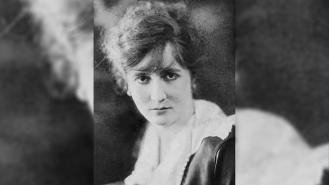
Looking back, the story of Arlene Pralle and Aileen Wuornos remains hard to explain. It does not sit comfortably within familiar narratives of crime, punishment, or even compassion. Instead, it exists somewhere in between belief and emotional connection.
For Pralle, the relationship was an expression of faith and purpose, a conviction that she had been brought into Wuornos’ life for a reason.
For Wuornos, it offered something she had rarely known. A sense of being chosen and cared for.
Love true crime? Stay in the know with the Crime+Investigation newsletter! Get exclusive access to new articles, episodes, clips, competitions, and more – delivered weekly and completely free. Don't miss out – sign up today!