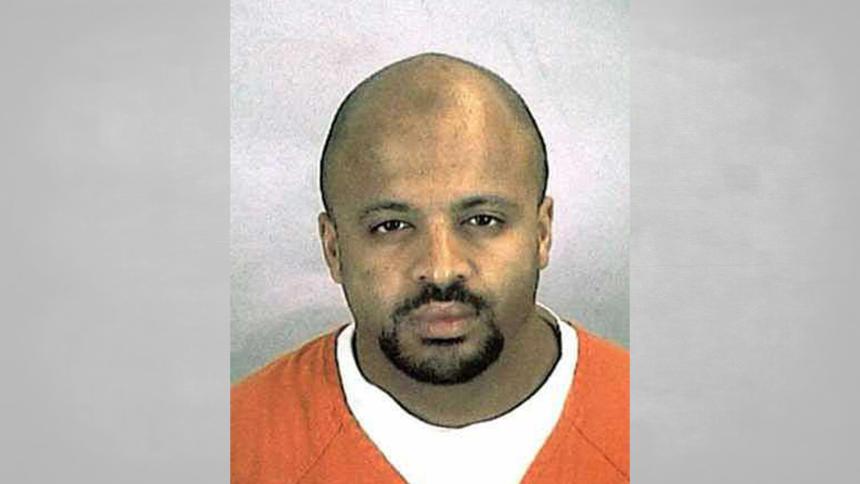
Zacarias Moussaoui: The terrorist stopped before 9/11
Zacarias Moussaoui wanted to learn how to fly a Boeing 747. The French national walked into a flight school in Minnesota just weeks before the 9/11 attacks with this request.
On the face of it, there was nothing suspicious about wanting to learn to fly. However, Moussaoui had very little aviation experience, nor did he appear interested in becoming a pilot. So, why did he want to pay large sums of money to learn how to fly if he didn’t want to become a professional pilot? His behaviour raised concerns.
What investigators didn’t know at the time was that Moussaoui had links to al-Qaeda and was connected to the wider conspiracy that would lead to the attacks on New York and Washington. His arrest meant he never took part in the operation.
Crime+Investigation examines how Moussaoui's path into al-Qaeda brought him within weeks of taking part in the deadliest terror attack in US history – and the chain of missed signals that meant he never did.
Moussaoui’s path from France to al-Qaeda
Moussaoui was born in France on 30th May 1968, to Moroccan parents. He later lived in the UK, where he studied at South Bank University and obtained a master's degree. His path towards Islamic extremism eventually brought him into contact with al-Qaeda.
According to the US indictment, Moussaoui trained at an al-Qaeda camp in Afghanistan. The organisation, led by Osama bin Laden, had established training camps where recruits were taught military skills, weapons, explosives and methods of avoiding detection. Moussaoui became particularly interested in aviation.
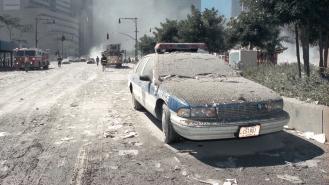
The 9/11 Commission later established that he had been sent to Malaysia in 2000 for flight training. He did not successfully complete that plan, but he continued pursuing aviation training after returning to Europe. By early 2001, he had travelled to the United States.
Moussaoui’s arrival would bring him remarkably close to the plot already being prepared.
A potential plotter
Moussaoui began flight lessons in Oklahoma before travelling to Minnesota in August 2001. There, the French native enrolled in an intensive Boeing 747 simulator course at the Pan Am International Flight Academy.
Moussaoui had limited aviation experience but wanted to learn how to operate a large passenger aircraft. He also lacked the usual reasons for undertaking the training. The 9/11 Commission later concluded that he may have been intended as a possible replacement for one of the planned hijackers, although there is some uncertainty about how he intended to participate.
The Justice Department indictment alleged that Moussaoui had trained with al-Qaeda, communicated with senior members of the organisation and was involved in preparations connected to the planned attacks. He later admitted that he had been personally selected by bin Laden to participate in an operation involving hijacked aircraft.

Raising suspicions
His plan began to unravel because his flight instructor became concerned.
There was something unusual about a student with so little experience wanting to learn how to fly a Boeing 747. His behaviour, questions and lack of a convincing explanation for the training prompted the instructor to contact authorities. The FBI began investigating Moussaoui in August 2001.
Agents discovered that he had jihadist beliefs. To investigators, the pieces were beginning to look increasingly troubling. Moussaoui was also an immigration overstayer.
That provided authorities with a legal basis to detain him, and on 16th August he was arrested by the Immigration and Naturalisation Service. He would never leave custody before the events of September 11th.
Missed opportunity
Investigators in Minneapolis suspected that Moussaoui could be planning to hijack an aircraft. They wanted to search his computer and belongings for evidence.
But FBI headquarters concluded that there was not sufficient probable cause to obtain a criminal warrant. Minneapolis agents instead sought a warrant under the Foreign Intelligence Surveillance Act. That request was not approved.
The FBI's concerns about Moussaoui therefore remained confined to the agencies and officials handling his case. The 9/11 Commission later concluded that the information available about him was not connected to the wider intelligence warnings about an imminent al-Qaeda attack.
Case and conviction
Moussaoui remained in custody while the FBI investigated his connections to al-Qaeda and the September 11th plot.
In December 2001, he was formally indicted on six charges, including conspiracy to commit acts of terrorism, conspiracy to commit aircraft piracy, conspiracy to destroy aircraft and conspiracy to use weapons of mass destruction. The prosecution initially sought the death penalty.
In May 2006, he was given a life sentence without the possibility of release.
For more on the plots and investigations that shaped modern counterterrorism, sign up to the Crime+Investigation newsletter. Every week, you'll receive the latest articles, episodes and more from C+I delivered straight to your inbox.